Guides
Part of Business formal: what the experienced already know
Business formal 2027: dress code rules, level by level
Business formal trends 2027, the three shifts, the invitation wording that sets the level, and the named dress codes with their rules, level by level.
What to take away
- Decode in a fixed ordervenue, hour, purpose, the qualifier words, then one question to the host. Stop once two steps agree.
- Venue, hour and purpose appear on every invitation and outrank the dress code line.
- Business formal trends 2027 come down to three shiftsa thinning daytime tier, a rising blazer-optional edge, and more events carried by the plain dark suit.
- A navy or charcoal two-piece, a white shirt and one formal leather shoe sits safely at two levels.
The three facts that beat the wording
Wording is not a standard. The same phrase means different things in a law office, a museum and a software company. Read it as a signal of intent, and read the logistics as the instruction.
A phrase usually sets a floor, so nobody arrives badly underdressed. It rarely sets a ceiling.
| Fact | What it tells you | How it moves the level |
|---|---|---|
| The venue | The building's own register, which guests match without thinking | A club, hotel ballroom or place of worship raises it; a studio lowers it |
| The hour | Daytime or evening | A start after 6 p.m. raises it and pushes cloth toward matte finishes |
| The purpose | Ceremony, award, business or mourning | Ceremony and mourning sit high; a business reception sits mid |
Three facts that set the level
Fact
- The venue
- Building's own register
- The hour
- Daytime or evening
- The purpose
- Celebration, ceremony, business, mourning
What it tells you
- The venue
- Formal raises, working lowers
- The hour
- Evening raises, inverts matte rule
- The purpose
- Ceremony and mourning raise
How it moves the level
- The venue
- The hour
- The purpose
An invitation with no dress code line still carries all three facts. A daytime reception in an office lobby will not become a formal room because the wording hints at one.
Decoding in this order
- Read the venue. A club, a hotel ballroom or a place of worship raises the level. An open office or a warehouse lowers it.
- Read the hour. Morning and lunch events take the daytime register. A start of 6 p.m. or later moves the level up.
- Read the purpose. A ceremony or a memorial sits high. A client reception sits mid.
- Read the qualifiers. "Optional" sets a floor with no ceiling. "Creative" means the shape matters, not the strict version.
- Ask one person one question. Ask a fellow guest what they are wearing, not what the dress code is.
- Stop once two steps agree and the answer stops changing.
Decoding an invitation in order
Can you ask the host?
Ask the host, question ends
Ask another guest who has been
Most invitations resolve at step three. Steps four to six handle the rest. A version arranged by event rather than by garment is set out in the business formal checklist arranged by the calendar.
The named dress codes and what each one asks for
These are the standard names, the ones used by etiquette references such as Emily Post's Etiquette and by the hosts who write the invitations. The name sets the floor; the garment rules below are what the room checks.
- White tietailcoat, white bow tie, stiff-front shirt. Evening only, and rare outside state occasions and a few gala nights.
- Black tiedinner jacket, black bow tie, black trousers with a satin stripe, polished black leather shoes. Evening only.
- Black tie optionalthe same rules, with a dark suit accepted in place of the dinner jacket.
- Creative black tiethe black tie base, with color and shape free to move.
- Cocktaila knee-length or midi dress, or a dark suit with the tie optional. No floor-length gown, no tuxedo.
- Semiformala dark suit or a cocktail dress, the level just under black tie.
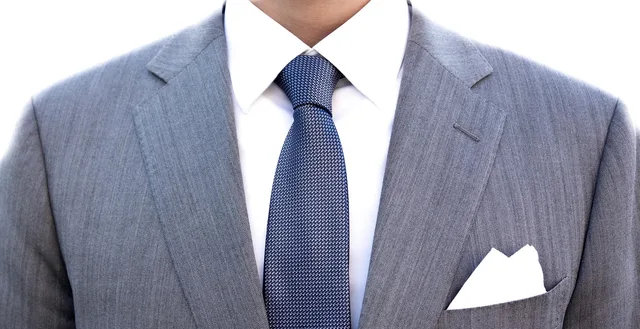
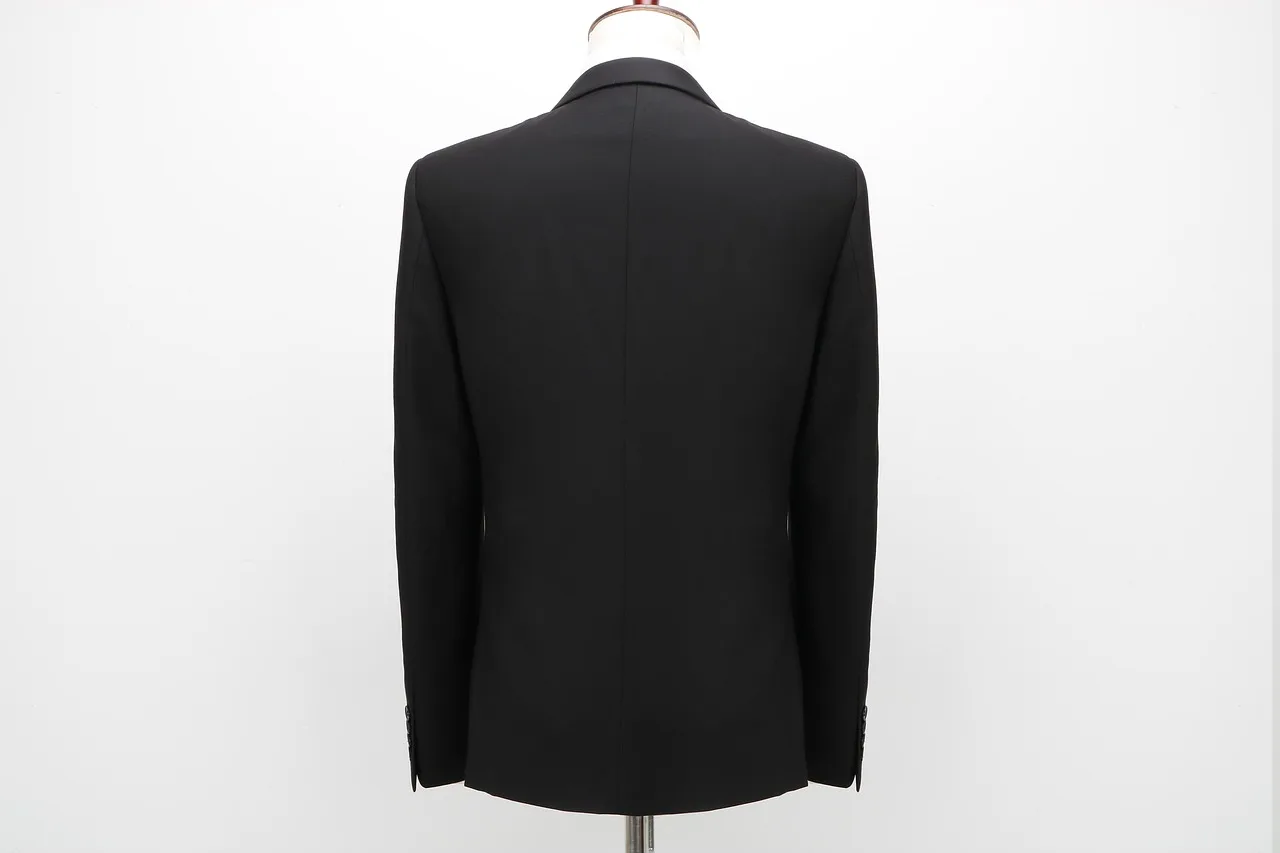
- Business formala dark two-piece suit in navy, charcoal or black, a white or light blue shirt, a tie, and leather oxfords or a closed-toe pump.
- Business casuala collared shirt and tailored trousers; a blazer is optional and a tie is not expected.
- Smart casualthe business casual base with an unstructured jacket allowed and knitwear in place of a shirt.
Business formal, rule by rule
- Jacket and trousers
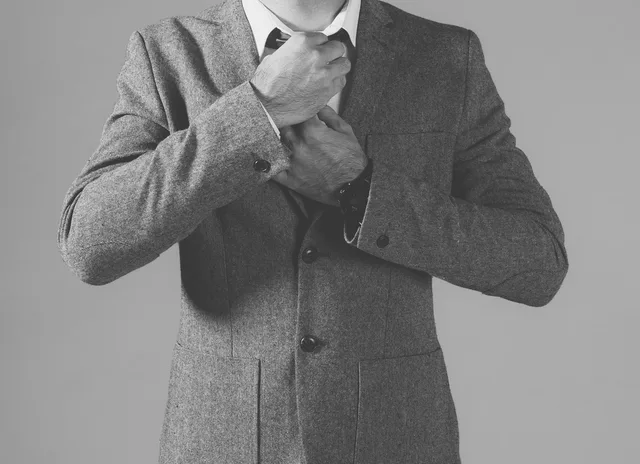
- the same cloth, dark, mid-weight, pressed.
- Shirt
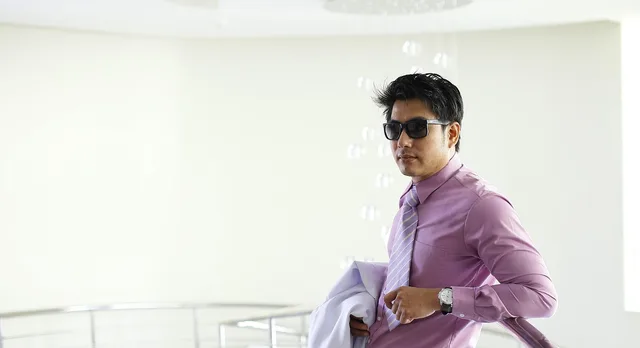
- plain white or light blue, long-sleeved, tucked.
- Tie
- solid or a quiet stripe, knotted to the collar.
- Shoes
- leather and closed-toe; black after 6 p.m.
- Everything else
- one metal tone, one bag, nothing that catches the light.
What is moving in 2027
Three 2027 shifts matter, and the edges show them better than the middle does.
The daytime tier is thinning. Events that once named morning dress or a stroller now accept an ordinary dark suit. Daytime award lunches show this most clearly.
The blazer-optional edge is rising. An unstructured jacket or a knit blazer now passes where a structured suit jacket was expected a decade ago. Business casual is defined loosely enough that a blazer is not always required, which is where the two registers now meet.
The evening ceremony register has not moved. Dark cloth, a white shirt, a matte tie and a black leather shoe read as they did before.
What is holding is the plain version. Owners wear the same formal outfit more often now, so mid-weight cloth in one dark color does more work than any seasonal detail and carries both the daytime and the evening level.
Example: a daytime awards lunch and an evening ceremony
Two invitations in one week, worded in the same vague way.
Daytime, mid level:
- Navy or charcoal two-piece in mid-weight wool, or an unstructured jacket with matching trousers.
- White or light blue shirt in a plain weave. A tie is optional.
- Brown or black leather lace-ups, or a low closed-toe heel.
- A leather tote or a slim leather bag.
Evening ceremony, high level:
- Midnight navy or black two-piece, pressed, with a matte finish.
- White shirt with a spread collar and a solid silk tie.
- Black leather oxford, or a closed-toe pump.
- Minimal jewelry in one metal tone.
If you own only one of the two, wear it to the evening event. A daytime room forgives a darker suit more easily than an evening room forgives a lighter one.
Shoes carry the judgment at this level. One black leather pair in good repair lets everything above it stay plain. Why a room reads the least formal element first is explained in our guide to business formal.
Religious and disability items that override the invitation
Two constraints sit above any invitation. A religious practice that requires an item of dress runs through an accommodation request, not through an interpretation of the dress code. The EEOC sets out its position in Religious Garb and Grooming in the Workplace: Rights and Responsibilities and in more detail in Section 12: Religious Discrimination of the EEOC Compliance Manual, its section on religious discrimination.
The same route covers a disability that makes an expected item impossible, under the Americans with Disabilities Act. Send the request early and in writing, and describe the need rather than naming a garment. A flat shoe or a covered head is usually the whole ask.
Name the event, the date and the item you cannot wear, then ask what alternative the organizer can accept. That keeps the conversation about the event rather than about you, and it confirms the request was heard.
Some union contracts and staff handbooks set their own route. Use that route when it exists.
Organizers can adjust more than guests expect, including photographs, staging and seating. Name the change you need and ask which of those they can make.
Common questions
Is it rude to ask the host about the dress code?
No. Hosts write these phrases knowing they are loose, and most would rather answer one question than watch a guest sit uncomfortable all evening.
What do I do when the invitation gives no dress code at all?
Work the order above and pitch to the middle of the venue, the hour and the purpose. An outfit slightly plainer than the room is rarely noticed. One more elaborate than the room always is.
Does the same reasoning cover a work event with outside guests?
Yes. Add one step: ask what the client or audience will wear, because at a work event the guests set the real register.
Should I buy anything for a single event?
Only if you can name a second occasion for it. If you cannot, borrow, rent or wear the plainest version you own.