Maintenance
Part of 6 things about work shoes worth your time
Work shoe families sorted by closure: lacing, loafers, boots and courts
Work shoes styles by closure and coverage: lacing, loafers, monk straps, boots and courts, what each adjusts to, and the one care habit each needs.
Shoe names describe how the shoe closes and how much of the foot it covers. That sounds like trivia and is not: the closure decides how much the shoe can adjust to a foot over a day, and the coverage decides how formal it reads from across a room.
Once you can name the families, you can also predict what each one will need from you. A shoe with more seams needs more attention at the seams. A napped surface needs a brush rather than a cloth. The style and the maintenance are the same subject.
What to take away
- Closure decides adjustability. A shoe that laces adapts to a foot that swells; a shoe that slips on does not.
- Less visible hardware and fewer seams read as more formal. That ranking is stable and does not follow fashion.
- Every family has one maintenance habit that matters more than the others. Learn that one and skip the rest.
The lacing families
A closed-lacing shoe has the lace panels stitched underneath the front of the upper, so they meet in a clean line and cannot open far. It is the most formal of the everyday families, it adjusts least, and it suits a narrow instep.
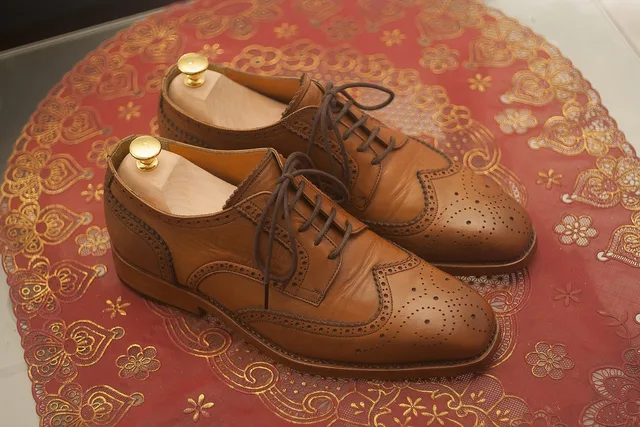
An open-lacing shoe has the panels stitched on top, so they sit open and can spread widely. It adjusts far more, which makes it the better choice for a high instep or a foot that changes over a day. It reads a step less formal, and that step is real: it is visible at conversational distance.
Both live or die on the same maintenance habit, which is the treatment of the leather at the flex point across the toe. That is where an upper cracks, and conditioning is what prevents it.
The slip-on families
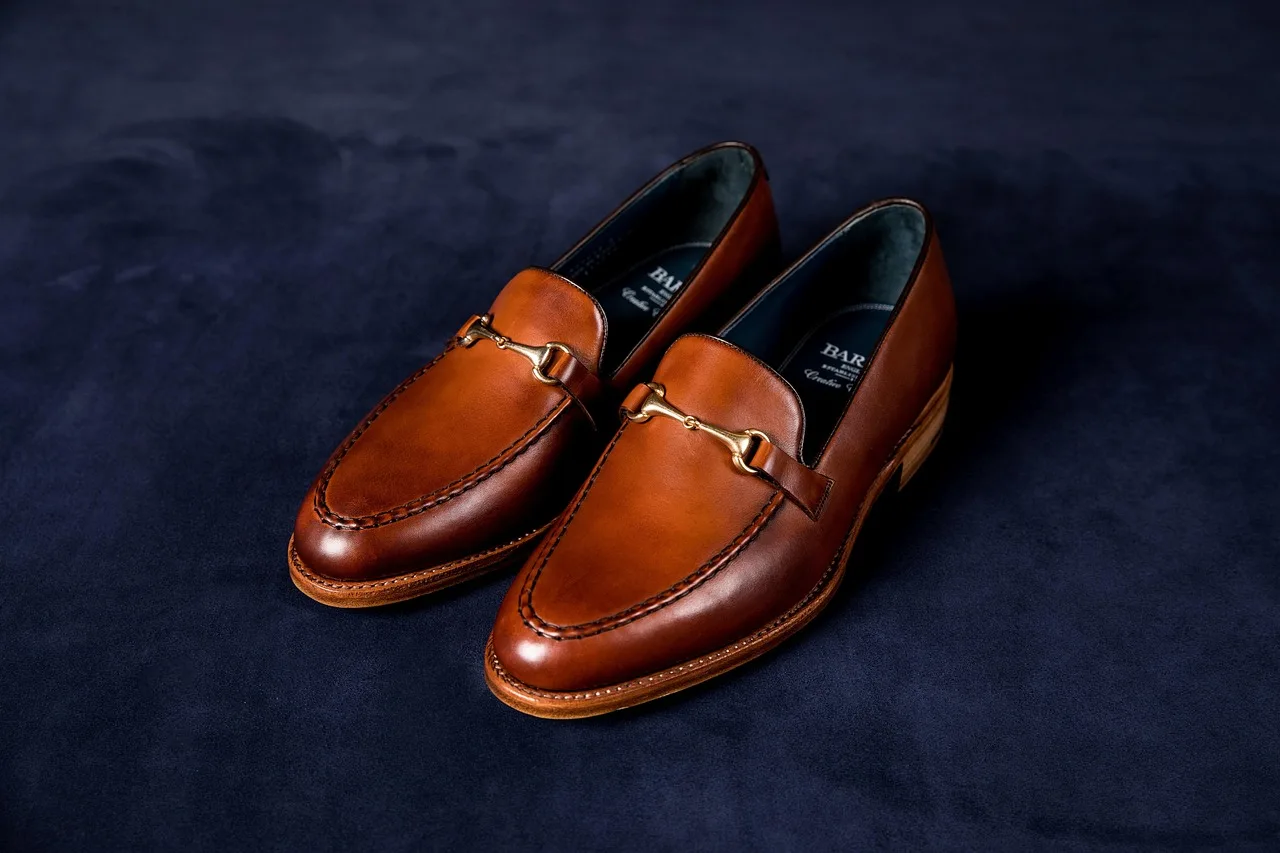
A loafer has no fastening. It is held by the fit at the heel and the instep alone, so fit is the entire question.
A loafer that is even slightly loose will slip at the heel and damage itself from the inside. It is comfortable when it fits and unwearable when it does not, with no lace to compensate.
A monk-strap shoe closes with a buckle across the instep, which gives some of the adjustability of a lace with the cleaner line of a slip-on. It reads as more decorative because there is visible hardware.
The maintenance habit for both is the same: keep the heel counter dry and rested, because these families rely on it entirely.
The covered families
A boot covers the ankle, which changes two things. It grips the leg, so it does not slip, and it adds a weather capability that no low shoe has. It reads less formal in most rooms and more practical in all of them.
A court shoe covers the toe and the heel and little else, held by tension across the instep. Its fit question is the same as a loafer's, with less material to hold with. It is the most weather-vulnerable of the families and the one where a wet day does the most damage.
The maintenance habit here is drying. Neither family tolerates being put away damp, and neither tolerates fast heat. A rested pair lasts longer, and the same arithmetic of fewer items worn more often applies to work dresses.
The families compared
Closure
- Closed lacing
- Lace, panels underneath
- Open lacing
- Lace, panels on top
- Loafer
- None
- Monk strap
- Buckle
- Boot
- Lace or zip
- Court
- Tension only
Adjusts to the foot
- Closed lacing
- A little
- Open lacing
- A lot
- Loafer
- Not at all
- Monk strap
- Moderately
- Boot
- Well
- Court
- Not at all
Reads as
- Closed lacing
- Most formal
- Open lacing
- One step down
- Loafer
- Depends on the sole
- Monk strap
- Decorative
- Boot
- Practical
- Court
- Formal to decorative
The habit that matters
- Closed lacing
- Condition the toe flex point
- Open lacing
- Condition the toe flex point
- Loafer
- Rest between wears
- Monk strap
- Keep the strap leather fed
- Boot
- Dry slowly, never near heat
- Court
- Dry slowly; protect the toe
Surface, which cuts across all six
Smooth leather takes polish, shows scuffs and recovers from them. It is the most formal surface and the most forgiving of maintenance mistakes.
Napped surfaces read a step less formal and need a brush rather than a cloth. They are the first casualty of a wet day, and a protective spray applied before the first wear is worth more than any treatment applied afterward.
Coated and synthetic uppers do not stretch, do not breathe and do not crease. They crack instead, at the same flex point, and nothing prevents it. They are the correct choice for weather and the wrong one for a long day in a warm building.
When the surface is chosen against a hazard rather than a room, the employer's assessment sets the requirement. The federal foot protection standard states when protective footwear is required at all.
The sole is the other half. A smooth sole on polished stone is a slip waiting for a wet day, the concern behind OSHA guidance on slips, trips and falls.
Choosing a family for a week
Match adjustability to your foot and coverage to your weather, then let register decide between the remaining options. A high instep and a long day argue for open lacing regardless of what the room would prefer, and a room that genuinely requires the formal end argues for closed lacing and a smooth surface.
The guide to work shoes covers how the shoe sets the level of the whole outfit.
The registers it must reach are in business formal at one end and business casual for women and business casual for men at the other. Where the workplace sets the answer, sector patterns are in industry dress codes.
Common questions
Is a loafer ever formal enough?
In some rooms, on a slim sole, in smooth dark leather. It will still read below a closed-lacing shoe in the same room, so use it when you have a level to spare.
Do boots work in an office?
An ankle boot on a slim sole under a trouser reads close to a shoe and solves the weather problem. A heavy sole with visible stitching reads as outdoor footwear whatever it is worn with.
Which family lasts longest?
The one that fits, rested between wears. Family matters far less than rotation and repair, and a lacing shoe has a small advantage because it holds the foot without relying entirely on the heel counter.
Should I own a napped pair at all?
If you can keep it out of the rain. It is a genuinely useful register between smooth leather and something casual, and it is a poor choice as an only pair.