Rules
Part of Accessories and bags: common mistakes, and the better choice each time
What seams, strap anchors and linings reveal about bags that fail early
Twenty accessories and bags construction details to check: seams, strap anchors, bases, hardware and lining, and what each predicts about failure.
A bag is a set of joints holding a container together, and every joint is visible if you know where to look. Twenty of them follow. None takes more than a few seconds to inspect, and together they tell you more about a bag than any description of it.
The point is not to reject bags. It is to know which ones you are buying, so a bag chosen for two years of hard carrying is not the same purchase as one chosen for occasional use.
What to take away
- Look at the joints, not the surface. A bag is judged where two pieces meet and where hardware attaches.
- Stitch density, thread thickness and reinforcement at stress points predict more than the material does.
- Open it and turn the lining inside out. Makers finish what people look at, so the inside is the honest part.
Ten details on the outside
- Stitch density along the main seams. Short, even stitches spread the load. Long stitches cover ground quickly and concentrate strain on each one.
- Thread thickness relative to the material. A heavy leather sewn with fine thread is a mismatch, and the thread loses.
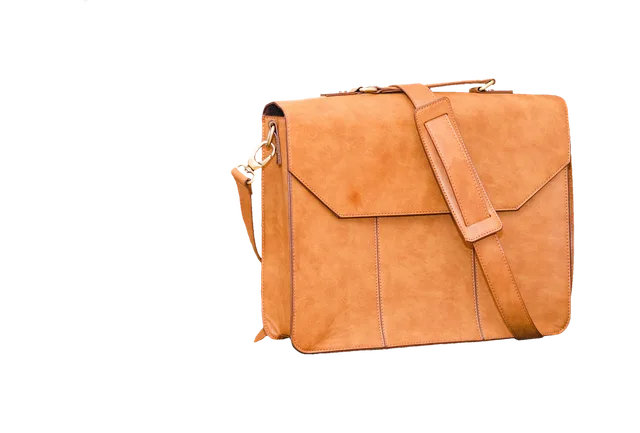
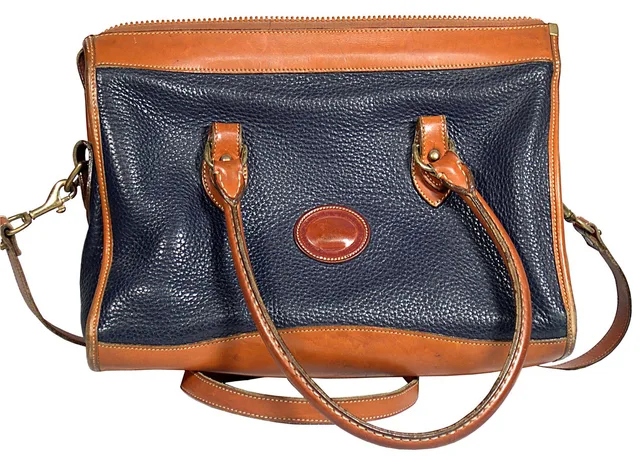
- Reinforcement where the strap meets the body. A rivet, a box-shaped block of stitching, or a metal ring on a stitched tab. Something has to be there; a strap stitched flat onto a single layer is the most common failure point on any bag.
- The base. A separate reinforced panel, or feet, or both. A bag whose base is the same single layer as its sides will wear through where it stands.
- Edge finishing. A cut edge that has been sealed, painted or folded and stitched will not fray. A raw cut edge on a woven material will.
- Corners. These take every knock, and a good bag has an extra layer or a reinforced seam there.
- Zipper gauge and pull. A wide-toothed zipper on a heavy bag; a fine one is under-specified and will separate under load.
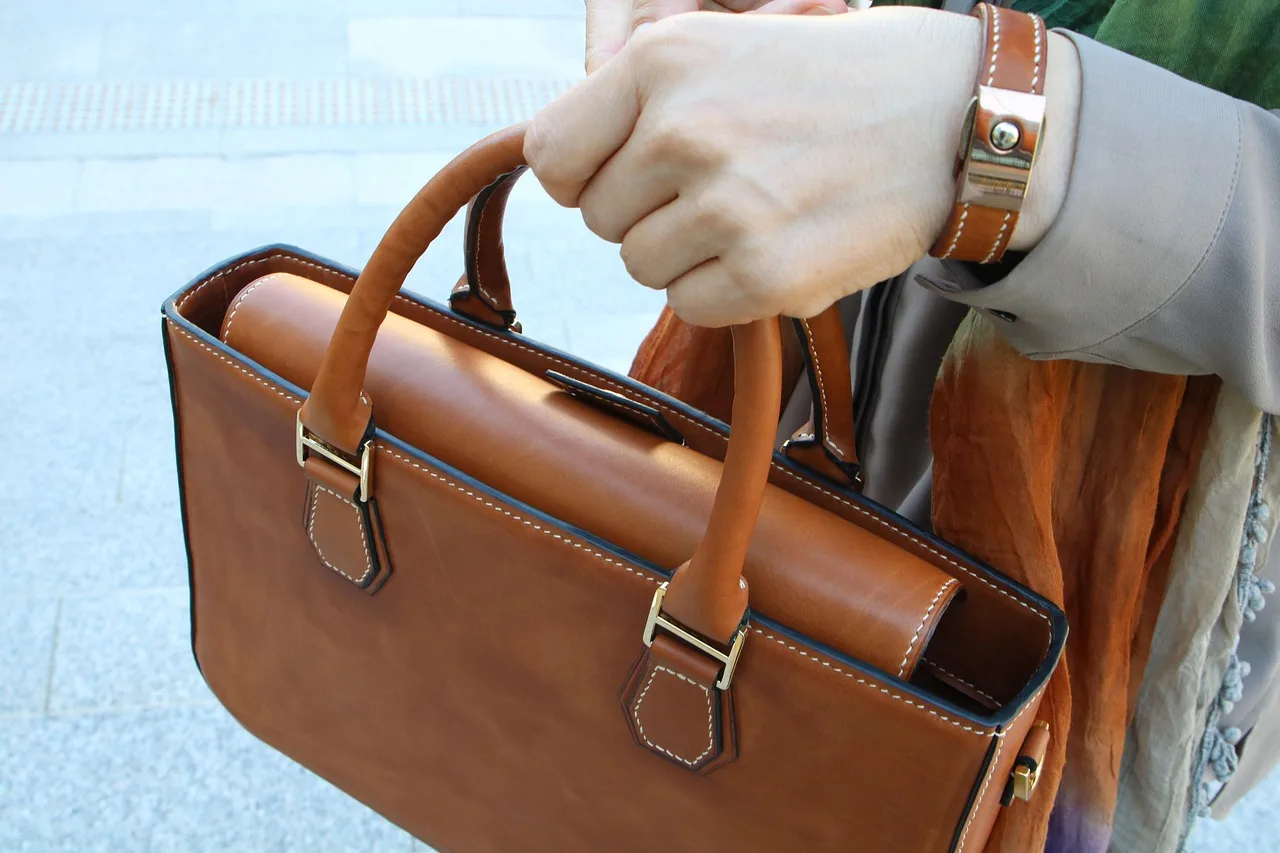
- Hardware attachment. Look at how a ring or a clip is held, not at how it looks. A ring on a folded leather tab with a single rivet is the weak version.
- The handle at its attachment, which is where a handle fails, never in the middle.
- Symmetry between left and right attachments. Asymmetry here is a sign of hurried assembly and predicts the rest.
Ten details on the inside
- The lining fabric weight. A thin lining tears at the corners and cannot be repaired without opening the bag.
- Whether the lining is stitched in or glued. Glued linings lift, and once lifted they catch on everything.
- Seam finishing inside. Enclosed or bound seams last; a raw overlocked edge is the fast version.
- Interior pockets and how they are attached. A pocket stitched through the lining only will pull away from it.
- Reinforcement behind the hardware, visible from inside as a patch of extra material.
- The zipper tape where it meets the lining, which is where a zipper detaches.
- Whether there is a device compartment with a suspended base, meaning it does not sit on the bottom of the bag.
- Padding thickness at the back panel, which is both comfort and protection.
- Whether the bag holds its shape when empty. A bag with no structure will crush whatever is inside it.
- Smell and stiffness of the lining, which tell you something about the finish that was used.
What each group predicts
| Group | Predicts | Fails as |
|---|---|---|
| Seams and stitching | How long the bag holds together under weight | A slow opening along a seam |
| Strap and handle attachment | The most likely single failure | A sudden separation, usually loaded |
| Base and corners | How the bag survives being set down | Wear through from the outside |
| Hardware | Whether the bag outlives its fittings | A broken clip or a worn ring |
| Lining and pockets | Whether the inside stays usable | Tearing, lifting, and catching |
The strap row is worth reading twice. It fails suddenly, it fails while loaded, and it is the least visible of the five in a photograph.
Doing this online
None of the twenty is visible in a product photograph. Buying a bag unseen therefore depends on three substitutes: stated dimensions checked against what you actually carry, stated material and hardware, and return terms read before the description. When the bag arrives, run the twenty before anything goes in it.
The weight question is separate and matters more than most of the twenty, because an empty bag's weight is subtracted from what you can carry comfortably. That is covered in the guide to accessories and bags.
Where the checks stop
Construction is one judgment, suitability another. A perfectly built bag that is the wrong shape for your day is still the wrong bag.
First establish the load it will carry, because that load has physical consequences. How weight is carried across a shoulder or a back is an ergonomics question rather than a style one, and the general principles are in OSHA material on ergonomics.
When a bag must match an outfit's register, the ranking follows the same rules as everything else. At one end is business formal, and at the other are the guides to business casual for women and business casual for men.
Where a workplace restricts what can be carried into an area, its own rules, not preference, decide. Sector patterns are in the guide to industry dress codes.
Material composition is the other half of judging a bag. It is governed by the same fiber disclosure rules as clothing, set out in the FTC guidance on textile and wool labeling.
Common questions
Which of the twenty matters most?
Strap attachment, then the base, then lining attachment. Those three account for most of the failures that end a bag rather than annoy you.
Does a heavier bag mean a better made one?
No. Weight comes from material thickness and hardware, and both can be present in a badly assembled bag. Judge the joints, then the weight, and remember that the weight is carried by you.
Can a strap attachment be repaired?
Often, by a leather repairer, and it is worth doing on a bag that is otherwise sound. It is much cheaper than a new bag and usually stronger than the original.
Is it worth buying second hand?
For bags, frequently, because the twenty checks work just as well on a used bag and a worn bag has already revealed which joints hold.