Rules
Accessory materials that survive daily professional wear, not just a season
A hands-on method for testing accessory materials and construction, from load tests and abrasion rubs to stitching and hardware checks before you buy.
What to take away
- Durable work accessories rest on three decisionsfiber, edge construction, and hardware grade.
- Run a load test, an abrasion rub, and a hardware cycle count before trusting any bag to a daily commute.
- Leather keeps shape and can be conditioned; nylon sheds water and resists abrasion but frays at cut edges.
- Stitch density and bar tacks predict office accessory lifespan better than price or a logo.
- Clean less often than you think, because aggressive cleaning shortens fibers and coatings.
Material behavior under daily load
A work bag meets the same three forces every day: weight, friction, and moisture. Weight pulls at seams and strap anchors. Friction grinds the base and corners against desks, floors, and transit seats. Moisture arrives as rain, sweat, and a soaked umbrella stored inside.
Fibers answer those forces differently. Cotton canvas softens with age and can be patched, though it tears at stress points once the weave thins. Wool felt holds shape and resists odor but pills where a strap rubs. Coated nylon resists surface abrasion yet can crack at fold lines after repeated flexing.
How to run a wear test at home
You do not need a lab to separate a two-year bag from a one-season bag.
- Weigh the bag empty on a kitchen scale, load your real daily carry, and weigh it again on a luggage scale. Record both numbers.
- Rub a damp cloth and a 400-grit sandpaper block across the base and corners fifty times to mimic a month of floor contact.
- Cycle every zipper one hundred times and note any skip, catch, or change in the pull.
- Hang the loaded bag from a single strap for an hour, then check the anchor stitches for stretching.
- Photograph the wear points on day one and again on day thirty, then compare the two sets.
Leather versus nylon for a commuter bag
Full-grain leather
- Surface wear
- Scuffs, can be conditioned
- Water
- Absorbs and darkens
- Weight
- Heavier per liter
- Repair
- Condition and restitch
- Care
- Regular conditioning
Coated nylon
- Surface wear
- Coating dulls, then frays
- Water
- Sheds rain
- Weight
- Lighter per liter
- Repair
- Patch or replace a panel
- Care
- Occasional wipe down
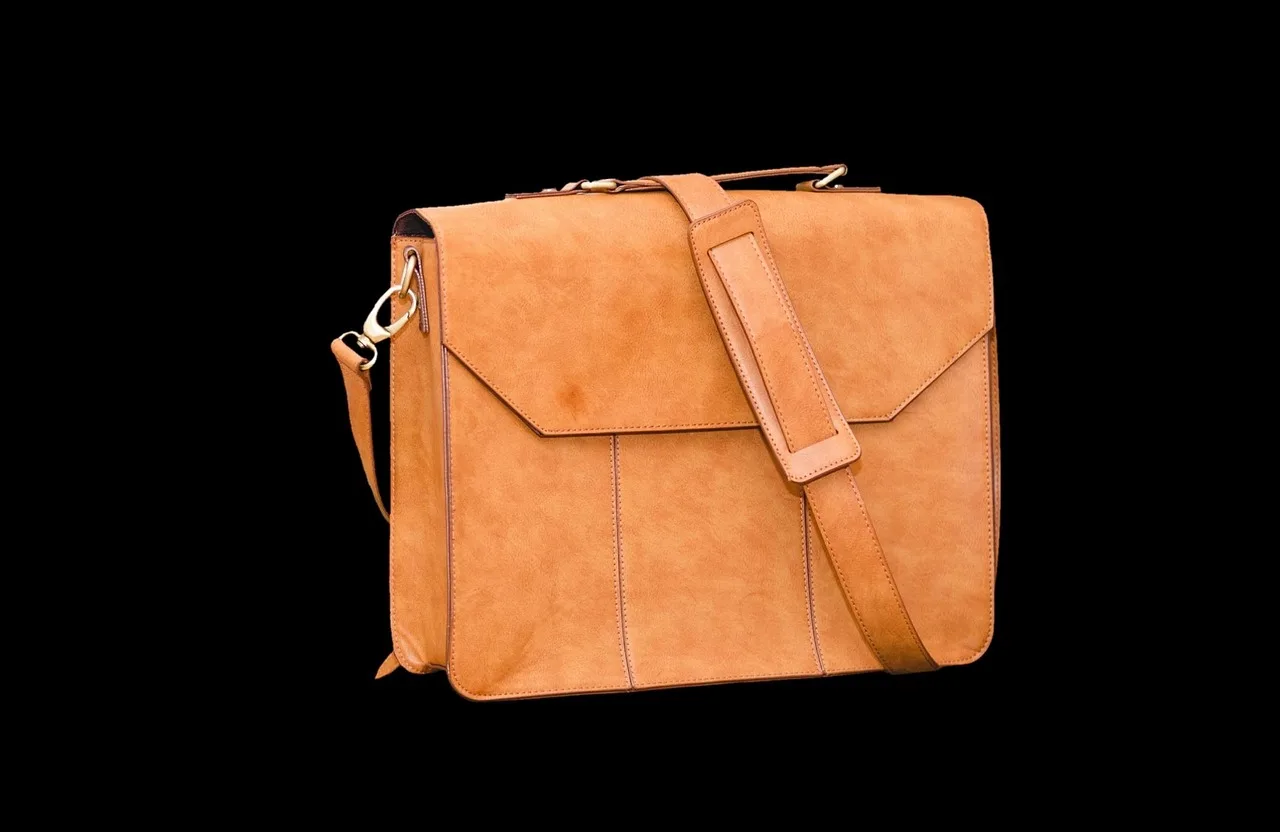
Neither material wins outright. A leather briefcase suits a car commute and dry winters. A nylon bag made with Cordura fabric suits cycling, walking, and wet springs. A tote bag holds a laptop and a folder but loads one shoulder, while a backpack splits the weight across two.
Stitching, hardware, and zipper checks
- Dense stitching on load-bearing seams, ideally eight or more stitches per inch.
- Bar tacks at every strap anchor, handle joint, and D-ring attachment.
- Metal zippers with locking sliders on the main compartment; molded coils on low-stress pockets.
- Solid brass or stainless steel hardware instead of plated zinc that flakes.
- A separate abrasion panel on the base where the bag meets the ground.
Push a fingernail along a seam and count the stitches. If daylight shows between them, the seam will open under load. Look for a stamped maker mark on the slider, such as YKK, as a sign the zipper was specified rather than substituted.
Example: scoring a two-year-old laptop bag
Use a bag with two years of weekday commuting as the test case. The leather body has often softened but held its shape. Check the shoulder strap anchors and the base corners next, because those fail first.
Score each point from one to five. Weight the anchors and the base highest. A bag that scores well on those plus the zipper can be repaired. One that fails on the main panel usually cannot.
Cleaning that preserves fibers and coatings
Less cleaning is better cleaning. Water and detergent lift oils from leather and dull the coating on nylon. Save deep cleaning for visible soil that holds grit against the weave.
A bag that looks dirty is not failing. A bag with frayed edges, stretched stitching, or a broken zipper is failing. Judge the structure, not the surface.
For structured wool pieces, dry cleaning is the correct route. Dry cleaning uses solvents rather than water, which limits shrinkage but can still strip natural oils over repeated cycles, so use it sparingly.
Specifying a bag from your own contents
Start with the load, not the look. Lay out what you carry on an average Tuesday: laptop, charger, notebook, water bottle, umbrella, badge, cables. Then measure the stack.
A 13-inch laptop plus a folder fits a slim tote. A 16-inch laptop plus a lunch box and shoes needs a structured backpack. Write the list first, then buy the bag that holds it.
Choosing silhouettes that outlast a cycle means specifying a bag from contents rather than a mood board. Our guide to which trends will hold covers that method and the changes worth ignoring.
Certification labels matter here too. Third-party standards such as the Global Recycled Standard are covered in this overview of sustainable fashion, which helps you separate a verified material claim from a marketing word.
Common questions
How long should a work bag last?
A bag with dense stitching, solid hardware, and a replaceable base can serve several years of daily commuting. Plated hardware and sparse stitching often fail within a single heavy season.
Is leather always better than nylon?
No. Leather holds shape and repairs well, but it is heavy and dislikes prolonged rain. Nylon is lighter and sheds water, though its coating wears at fold lines.
How often should I clean a work bag?
Wipe it monthly and deep clean it once or twice a year, or whenever soil visibly holds grit in the weave. Frequent washing does more damage than dirt.
What is the first sign a bag is failing?
Check the strap anchors and base corners. Stretched stitches, frayed webbing, or a coating worn to the backing fabric signal that repair or replacement is due.