Rules
What a Repair Shop Sees: Which Bag Accessory Trends Fail First
Repair-shop evidence ranks bag and accessory trends by how they age, moving from bonded trim and plated rings to solid brass and stitched straps.
What to take away
- Bonded and coated surfaces fail first, whatever the shape or color. The trend is rarely the problem; the laminate is.
- Four parts decide the outcomestrap attachment, zipper type, hardware plating, and whether the lining can be swapped.
- Structured totes, flap satchels, and plain leather crossbodies hold resale value. Printed pouches, novelty charms, and crochet hold little.
- A bag you can repair stops being a trend purchase and becomes a tool.
How a repair bench grades a trend
A repair shop does not ask when a bag was made. It asks where the second failure will land. The first failure is usually the owner's fault, and the bag is judged on what happens after that.
Four bench checks in one minute
- Trace strap to anchor
- Flex zipper tape
- Bend edge paint at fold
- Lift lining panel
- Trace the strap to its anchor. Look for bar tack stitching that passes through the body, not just into the lining.
- Flex the zipper tape. A coil zipper on a heavy bag pulls away from the seam before the teeth fail.
- Bend the edge paint at the fold. If it cracks white, the edge is a coating, not a finish.
- Lift the lining. A lining stitched as a separate panel can be replaced. A glued lining cannot.
Those four checks take about a minute. They predict most of what reaches a repair queue.
The failure order, ranked
Trends do not fail in random order. They fail in the order their materials fail.
Trends ranked by failure order
Skip
- Bonded leather trim
- Peels at fold
- Coated webbing strap
- Cracks at slider
- Thin plated rings
- Flakes where rubbed
- Unlined canvas tote
- Full grain strap
- Solid brass hardware
Repair then keep
- Bonded leather trim
- Coated webbing strap
- Thin plated rings
- Unlined canvas tote
- Handle seam tears
- Full grain strap
- Solid brass hardware
Keep
- Bonded leather trim
- Coated webbing strap
- Thin plated rings
- Unlined canvas tote
- Full grain strap
- Darkens and softens
- Solid brass hardware
- Patinas, stays whole
Where it goes first
- Bonded leather trim
- Peels at the fold line
- Coated webbing strap
- Cracks at the slider
- Thin plated rings
- Flakes where the strap rubs
- Unlined canvas tote
- Handle seam tears
- Full grain leather strap
- Darkens and softens
- Solid brass hardware
- Patinas, stays whole
Verdict
- Bonded leather trim
- Skip
- Coated webbing strap
- Skip
- Thin plated rings
- Skip
- Unlined canvas tote
- Repair, then keep
- Full grain leather strap
- Keep
- Solid brass hardware
- Keep
The pattern holds on the tickets that come through. Thin, shiny, and glued ages out above thick, matte, and stitched.
Bag construction quality: the four parts that decide it
Rivets alone rotate in leather and enlarge their holes. Stitching spreads the load across a wider area. The strongest builds use both, which is why a stitched and riveted anchor is the one to look for.
A structured bag wants metal teeth. A soft bag wants a coil. A zipper maker such as YKK publishes tape and slider specifications, and those tell you more than a branded pull does.
Flaking is a plating problem, not a color problem. Solid brass and stainless steel do not flake, because there is nothing layered on them to come off.
A separate lining panel is replaceable. A bonded lining fails together with the shell, and the whole bag goes with it.
Straps, zippers and hardware in daily use
A strap is an ergonomic device, not decoration. On a commuter pack, general backpack design discussion centers on load transfer to the hips and shoulders. A wide, padded strap does more for a daily carry than a fashionable width.
On a tote, the strap itself is rarely the failure. The anchor is. That is why a tote with stitched handles can outlast a heavier bag that relies on rivets alone.
Example: two totes, one repair ticket
Two totes can leave a store with the same silhouette, the same color, and the same price. One has stitched anchors, a metal zipper, and a separate lining. The other has bonded trim and a glued lining.
The first gets a strap replacement and goes back to work. The second gets an estimate the owner declines.
A tote bag is a shape, not a quality grade. The same rectangle can be built to serve a decade or a single season.
Timeless work bag styles that resell well
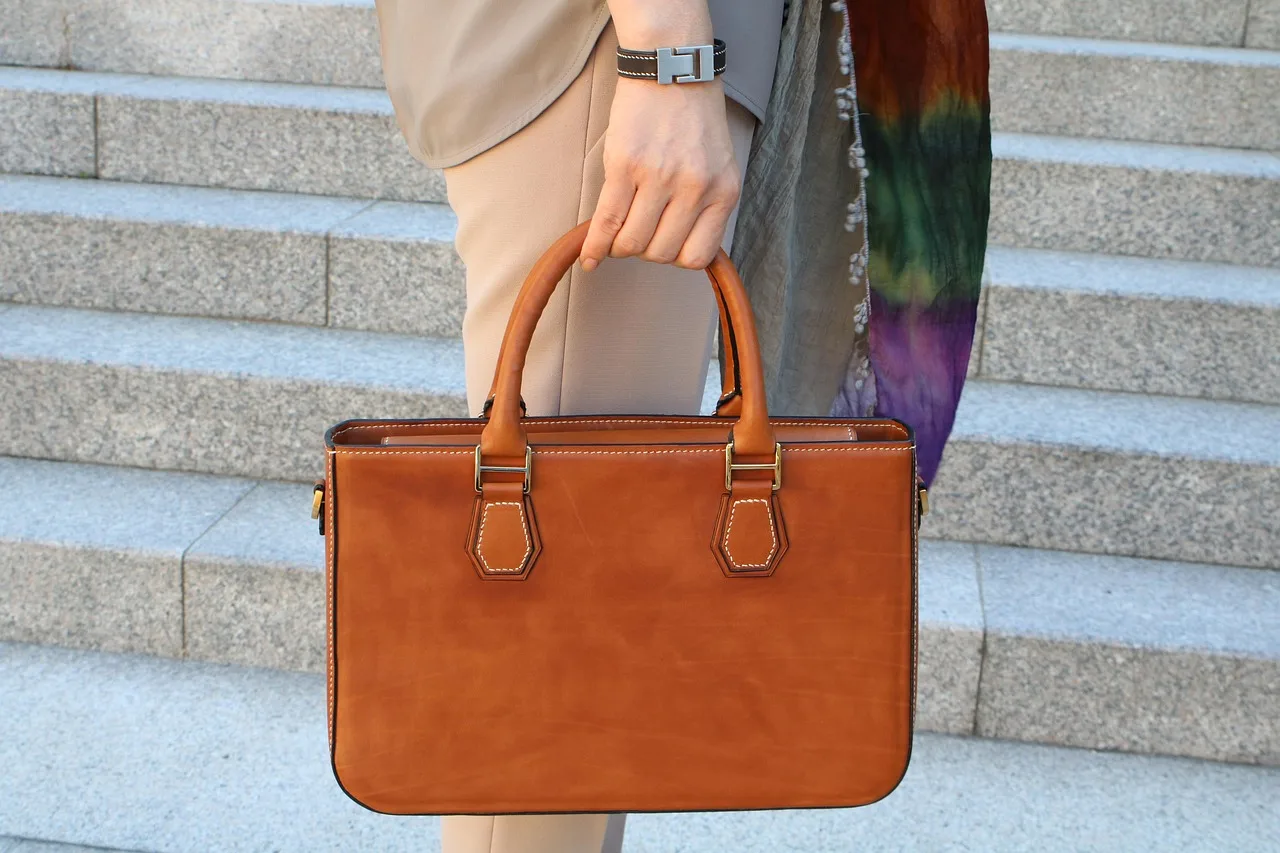
Four shapes keep value: the structured tote, the flap satchel, the slim briefcase, and the camera style crossbody. Each one can be re-stitched, re-strapped, and re-lined by a bench.
Resale buyers tend to price repairability, which is also where sustainable fashion principles put their weight. Durability and repair count for more than a season label.
Trend cycle vs lasting design: the dividing line
A trend cycle rewards novelty. Lasting design rewards repair. The two overlap only when the new idea sits on a body that a bench can still service.
Quilted pouches are one test case. The quilting is popular. The bonded seam tape and the glued lining are not repairable, so the shape arrives and leaves with the season.
If you want the forward view rather than the repair view, the accessory trends forecast tracks which changes will hold and how to specify a bag from what you carry.
Accessory trends worth buying and the ones to skip
- A strap that unscrews and can be replaced
- A zipper with stitched tape and a metal slider
- A lining stitched as its own panel
- Hardware that is solid, not plated
- Edges finished with folded leather, not paint
Two failures on that list point to a one-season purchase. Four passes point to a bag that outlives the trend that sold it.
A repair ticket is a forecast. The bag you carry next year is the one a bench can still fix this year.
Common questions
Do expensive bags always last longer?
No. Price tracks brand and materials, not construction. A stitched canvas tote can outlast a bonded leather bag that costs several times more.
Which bag trend is safest to buy right now?
The plain leather crossbody and the structured tote. Both use simple panels, standard zippers, and straps you can swap.
How often does a leather work bag need cleaning?
Rarely. Spot clean with a damp cloth and condition lightly once or twice a year. Frequent cleaning strips the oils that keep leather supple.
Backpack or tote for a daily commute?
Backpack if the load is heavy or the walk is long. Tote if you need fast access and the weight stays light.