Features
Part of 6 things about work shoes worth your time
Filling out a work shoe rotation: default, weather, formal, distance
Fifteen work shoes ideas arranged as slots to fill: default, weather, formal and distance pairs, and how to stagger buying so the set never dies at once.
What to take away
Nobody needs a shoe collection. A work shoe rotation needs a small set where every pair has a job no other pair does, and where no two pairs die in the same month.
That second condition is the one people miss. A set bought together dies together, and the whole cost lands at once. Fifteen specific pairs follow, slotted as default, weather, formal and distance, plus travel, standing, site, stairs and transition days. Staggering the buying keeps the set from dying at once.
- Define each pair by the job it does, not by how it looks. Two pairs doing the same job are the most common wasted purchase in a wardrobe.
- Stagger purchases so the set never needs replacing all at once. A year between additions is enough.
- Add a slot only when a real day in your calendar is going uncovered. Anything else is a fourth pair bought for variety.
Slots that most weeks actually need
- Default: Red Wing Iron Ranger 8085.This six-inch boot has a Goodyear welt and a Vibram 430 sole. It typically sells for about $350 and can be resoled. It suits concrete, warehouse and studio floors, but it is too casual for a suit. Choose it for the distance you cover, not the room you sit in.
- Second default: Blundstone 550 Chelsea.This leather pull-on has elastic side panels and no laces. It typically costs about $220. It does the same job as the Iron Ranger and looks different, so the first pair can rest. It suits office-casual weeks and commutes, but it is not a dress shoe.
- Weather: Xtratuf Legacy 15-inch.This waterproof boot uses a chevron outsole for wet decks and mud. It typically costs about $150. Its upper tolerates being soaked, and it saves the other pairs. It suits wet commutes and sloppy sites, but it is heavy for long walks.
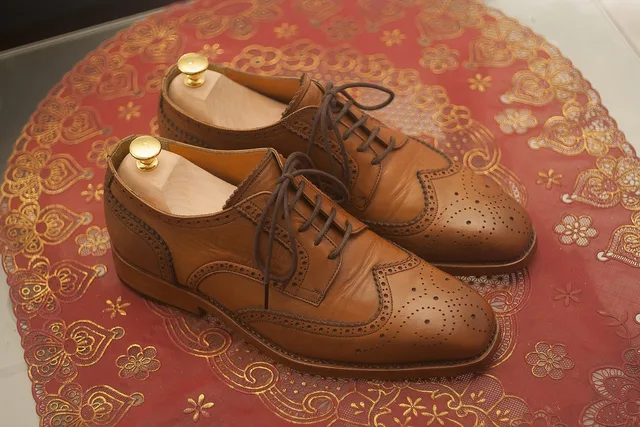
- Formal: Allen Edmonds Park Avenue.This cap-toe oxford has a leather sole and a Goodyear welt. It typically sells for about $425 and can be recrafted. It is plain and smooth, worn rarely, and lasts for years because of that. It suits conservative offices, and its low volume fits narrow feet.
- Distance: Hoka Bondi 8.This max-cushion road shoe has a rocker sole and a typical price of about $165. It suits days that begin with a real walk and long hours on hard floors. Comfort here comes from the sole and the fit, not the price. It is not formal.
Five slots, and most people can fill them with three pairs by letting one do two jobs. The pair that should never double up is the weather one, because its whole purpose is to absorb the damage.
Five slots, three pairs
Default
- Job
- ordinary days
- Wears out
- fast
- Can double up
- yes
- Chosen for
- distance
Weather
- Job
- wet grip
- Wears out
- fastest
- Can double up
- never
- Chosen for
- soaking
Formal
- Job
- rare wear
- Wears out
- slowest
- Can double up
- yes
- Chosen for
- plain profile
Slots for days that are not ordinary
- Travel: On Cloud 5.This speed-lace shoe weighs little and slips on and off. It typically costs about $140. It suits hours of walking and a casual arrival, but it will not pass a formal dress code.
- Standing: Dansko Professional.This rocker-bottom clog carries the APMA Seal of Acceptance. It typically costs about $150. It suits nurses, kitchen crews and retail staff on hard floors, not trail use. Standing and walking are different loads and want different soles.
- Site: Timberland PRO Pit Boss steel toe.This steel-toe leather boot has an oil-resistant outsole. It typically costs about $125. It suits construction and warehouse sites where a workplace requires protective footwear rather than permitting a choice. The requirement follows from the employer's hazard assessment. The federal foot protection standard sets out when it applies.
- Stairs: Merrell Moab 3.This low hiking shoe has a Vibram TC5+ outsole and a flexible forefoot. It typically costs about $120. It suits buildings with several flights and uneven pavement, not polished formal floors. Sole flexibility matters more here than anywhere else.
- Transition: Salomon X Ultra 4 GTX.This Gore-Tex trail shoe has a Contagrip outsole. It typically costs about $165. It suits the weeks when the weather pair is too heavy and the default is too light.
Ideas about how the set behaves over time
- Buy the next pair before the current one fails.A Brooks Ghost 15, typically about $140, is a neutral daily trainer that can be bought on fit. An emergency purchase is made on availability instead.
- Retire a pair downward rather than out.A Thorogood American Heritage 804-4200 moc-toe boot, typically about $250, can take over wet walks after it leaves default duty. Yesterday's default becomes today's weather pair, which is where the set gets cheap.
- Keep the formal pair out of the rotation entirely.A Crockett & Jones Hallam, typically about $650, has a Goodyear welt and a leather sole. It lasts a decade because it is worn twenty times a year. Daily use converts a long-term asset into a short-term one.
- Replace heel tips on a schedule rather than on discovery.A Johnston & Murphy Melton cap-toe, typically about $200, has a leather sole that benefits from new heel tips before the sole wears through. That is the cheapest maintenance in the wardrobe and prevents the expensive repair behind it.
- Space purchases by at least six months.A New Balance 990v6, typically about $200, comes in wide sizes and is made in the USA. A set bought in one trip ages in one block. The arithmetic of that is worked through in the guide to work shoes.
What each slot is really specifying
The specification
- Default: Red Wing Iron Ranger 8085
- Comfort over distance, repairable if worn hard
- Second default: Blundstone 550
- Same job as default, different look
- Weather: Xtratuf Legacy 15-inch
- Grip and tolerance of soaking
- Formal: Allen Edmonds Park Avenue
- Plain profile, smooth sole, low volume
- Standing: Dansko Professional
- Cushioning and support underfoot
- Travel: On Cloud 5
- Ease on and off, recovery after hours
- Distance: Hoka Bondi 8
- Cushioning for miles
- Site: Timberland PRO Pit Boss
- Protective toe and oil resistance
- Transition: Salomon X Ultra 4 GTX
- Waterproof shell for wet shoulder seasons
- Stairs: Merrell Moab 3
- Flexible forefoot and grip
What can be traded away
- Default: Red Wing Iron Ranger 8085
- Appearance at the formal end
- Second default: Blundstone 550
- A second formal option
- Weather: Xtratuf Legacy 15-inch
- Everything else
- Formal: Allen Edmonds Park Avenue
- Comfort over distance
- Standing: Dansko Professional
- Slimness
- Travel: On Cloud 5
- Formality
- Distance: Hoka Bondi 8
- A dress profile
- Site: Timberland PRO Pit Boss
- Off-site style
- Transition: Salomon X Ultra 4 GTX
- Lightness
- Stairs: Merrell Moab 3
- Polished look
Reading the table sideways shows why one pair cannot cover the week: the specifications actively conflict. A slim, smooth formal sole is exactly what makes a shoe unsafe on a wet floor, and hard floors in public buildings are where that matters most, which is the subject of the OSHA guidance on slips, trips and falls.
What each slot specifies
Default
- Spec
- distance comfort
- Traded away
- formality
- Conflict
- appearance
Weather
- Spec
- grip, soaking
- Traded away
- everything else
- Conflict
- safety
Formal
- Spec
- plain, smooth
- Traded away
- distance comfort
- Conflict
- wet floors
Fitting the set to the rest of the wardrobe
The shoe sets the level the whole outfit is read at. The set has to cover the range of registers you actually work in and no more. Someone whose week never reaches the formal end does not need the formal pair. Someone whose week is mostly at that end needs two of them.
How that register works from the top down is set out in the guide to business formal and, for the softer end, in the guides to business casual for men and business casual for women. Where the workplace decides the question rather than the wearer, the sector patterns are described in the guide to industry dress codes.
Common questions
Is three pairs really enough?
For most weeks, yes, if they cover different jobs and are alternated. The failure mode of a three-pair set is that all three are variations on the default, which leaves the weather and the formal days uncovered.
Should the two default pairs look the same?
They should do the same job and not look identical, otherwise you will reach for the newer one every time and the rotation stops happening.
What about a pair kept at the office?
Genuinely useful if the commute involves distance or weather, because it lets the commuting pair be chosen for the walk rather than the room. It only works if it is actually left there.
When should a pair leave the set entirely?
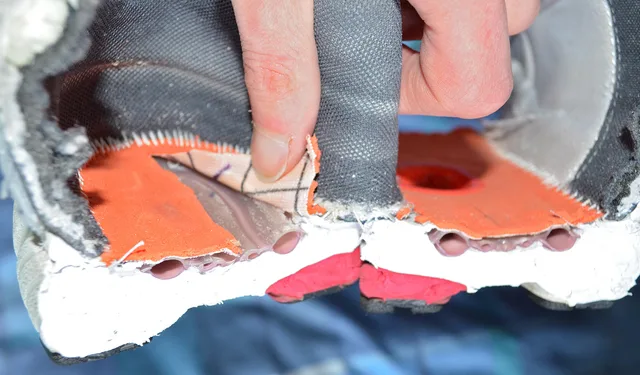
When the sole cannot be replaced and has worn thin, or when the heel counter has collapsed so the shoe no longer grips the foot. Both are visible before they are painful.