Costs
Part of 6 things about work shoes worth your time
How to choose work shoes: roles, rotation and wear counts
How to choose work shoes: give each pair a role, rotate two pairs, count wears and repairs, and know when a cheap pair is the right buy.
Work shoes are rarely a single purchase. Over a working year each pair is one member of a set, and the set decides the cost per wear: how often each pair is worn, which pair can be repaired and which is simply replaced.
A pair worn twice a week for six years and a pair worn twice a week for one year are not in the same category, whatever they cost. To choose work shoes well, do that arithmetic before buying rather than discovering it afterward.
What to take away
- Plan the set, not the pair. Rotation changes the arithmetic more than any single purchase decision does.
- Cost per wear is the price plus repairs, divided by wears. Every term is an estimate, and the comparison still works.
- Give each pair a roledaily, formal, weather or required. Each role is bought in its own way.
- Where an employer sets the requirement, the specification comes from a hazard assessment, not from preference.
The sum behind every pair
Take the price, add the repairs the pair will need over its life, and divide by the number of wears you will get. Every term is an estimate. The comparison still holds, because the errors are similar across the options you are weighing.
| Term | Where to get it | What people get wrong |
|---|---|---|
| Price | Obvious | Treated as the whole answer |
| Repairs | A repairer will quote a resole before you buy | Assumed to be impossible, or assumed to be free |
| Wears per year | Your own calendar | Overestimated for formal pairs, underestimated for defaults |
| Years of life | Construction plus rotation | Estimated from price rather than from construction |
A local shoe repairer, a cobbler who takes in welted shoes, will quote a resole and a set of heel tips before you buy. Ask before the purchase, not after the first sole wears through.
A worked example needs no prices, only wear counts. Take the two pairs from the opening, both worn twice a week:
- Count the years. One pair is finished after one year, the other after six.
- Count the wears. At the same frequency, six years gives six times the wears of one year.
- Divide. At the same price, the six-year pair costs one sixth as much per wear.
- Turn it round. The six-year pair could cost up to six times as much, less its repair bill, and still come out level.
Put your own price and a repairer's quote into step 4 and the comparison is done before you reach the till.
One pair or two: what rotation changes
The number of wears is where the surprises are. A pair worn every working day gets roughly 250 wears a year and never rests, shortening its life at both ends.
One pair vs two-pair rotation
Single pair
- Wears per year
- ~250
- Rest between wears
- None
- Calendar life
- Shorter
- Cost per wear
- Higher
Two-pair set
- Wears per year
- ~125 each
- Rest between wears
- Full day
- Calendar life
- More than twice
- Cost per wear
- Lower
Alternated with another pair, the same shoes are worn half as often, so each pair takes roughly half of those wears. They also last more than twice as long in calendar time. A two-pair set therefore costs less per wear than a single pair.
Rotation has a cost, which is owning a second pair sooner than you otherwise would. It pays back, but the outlay is real and should be planned rather than discovered.
A role for each pair in the set
The same shoe is the right buy in one role and the wrong buy in another. Match the strategy to the role, then to the category.
| Role | How it is worn | How to buy it |
|---|---|---|
| Daily pair | Most working days, never resting | Repairable, with a second pair so each rests |
| Formal pair | A few times a year | Pay for what it will actually do, no more |
| Weather pair | Soaked repeatedly | A consumable, replaced on a cycle |
| Required pair | Set by the employer | The specification first, then fit |
Repairable vs consumable buying strategy
Repairable
- Resoles
- Several
- Life
- Long
- Repair cost
- Small fraction
- Pay for
- Construction, fit
- Skip
- Decoration
Consumable
- Resoles
- None
- Life
- Shorter, predictable
- Repair cost
- Not possible
- Pay for
- As little as possible
- Skip
- Nothing extends it
Read the table as one set, not as four separate purchases. The daily pair carries the load, so it earns the construction budget. The formal and weather pairs stay cheap because they are worn rarely, or because the weather destroys them anyway.
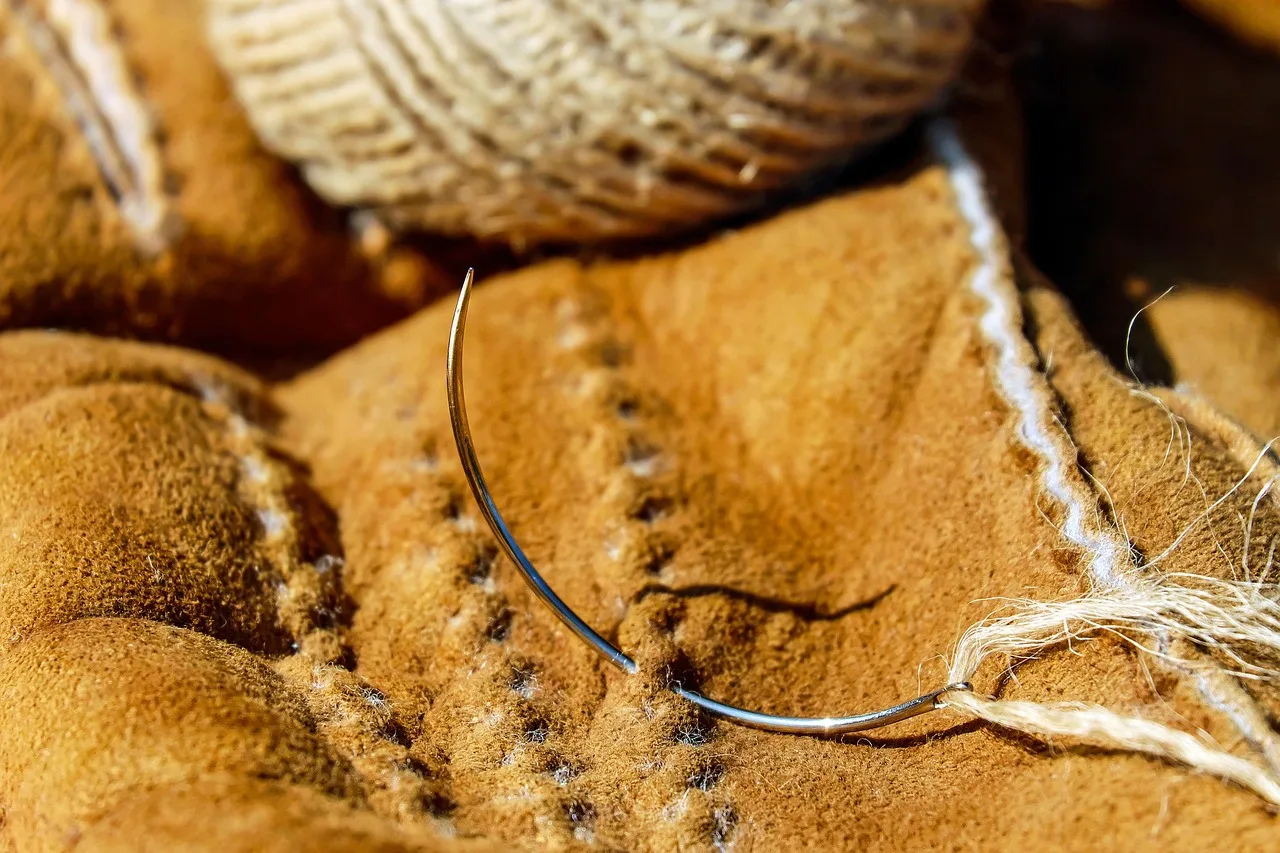
A repairable shoe absorbs several resoles, and each one returns a shoe already shaped to your foot. In a Goodyear welt the upper is sewn to a strip of leather, and that strip is sewn to the sole, so the pair can be resoled repeatedly as long as the upper stays sound.
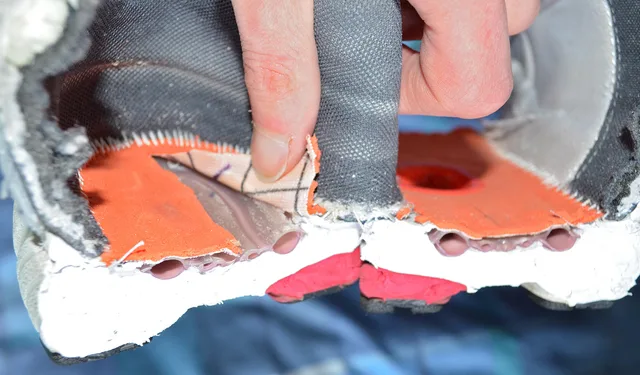
A consumable shoe cannot take a new sole, so its whole life is the first sole. The repairable pair is bought once and kept in service by its repairer; the consumable pair is worn and replaced. One asks more of your money up front, the other more of your calendar. For the sole check itself, see affordable work shoes.
The mistake is applying the wrong strategy to the wrong category. Paying a repairable price for a consumable is the expensive version. Buying a consumable expecting a decade is the disappointing one.
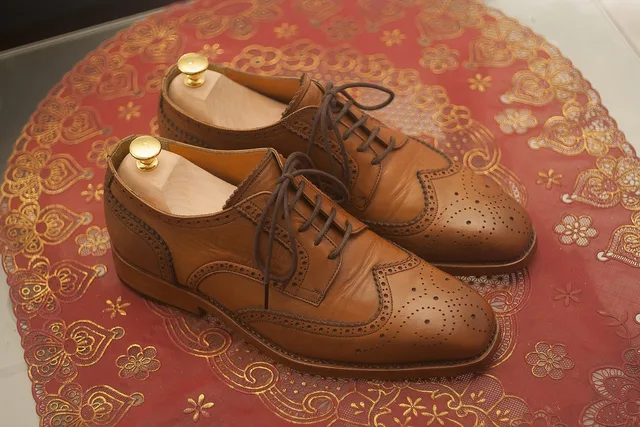
In a business professional wardrobe the repairable side is the leather dress shoe, the oxford, the derby or the loafer, in a stitched construction. The consumable side is the glued pair bought for a single season or a punishing commute.
When cheap is the correct answer
Three cases, all common.
When the pair fills a slot you use rarely. A formal pair worn twenty times a year does not need to survive a decade of daily wear, and paying for that capacity buys nothing.
When the environment destroys shoes regardless. A weather pair is going to be soaked repeatedly, and no construction survives that indefinitely. Buy it as a consumable and replace it on a cycle.
When the employer sets the requirement, not you, the specification for protective footwear comes from a hazard assessment rather than from preference. In the United States it is set out in OSHA's federal foot protection standard, 29 CFR 1926.96 in construction and 29 CFR 1910.136 in general industry.
Who pays for required equipment is addressed in OSHA's general requirements for personal protective equipment, 29 CFR 1910.132. Read it before spending your own money.
Where the money goes first
Within a budget, the order is fit, then construction, then upper, then finish. Reversing that order is what produces an expensive shoe that hurts.
Budget priority order
- Fitcosts nothing, largest determinant
- Constructioninvestment or purchase
- Upperhow appearance ages
- Finishfirst thing to cut
Fit costs nothing and is the largest single determinant of whether a shoe gets worn at all. A pair that lives in a closet has an infinite cost per wear.
Construction decides whether the money is an investment or a purchase. Upper quality decides how the shoe ages in appearance. Finish decides nothing except how the shoe looks on the first day, and it is the first thing to cut.
What the sum leaves out
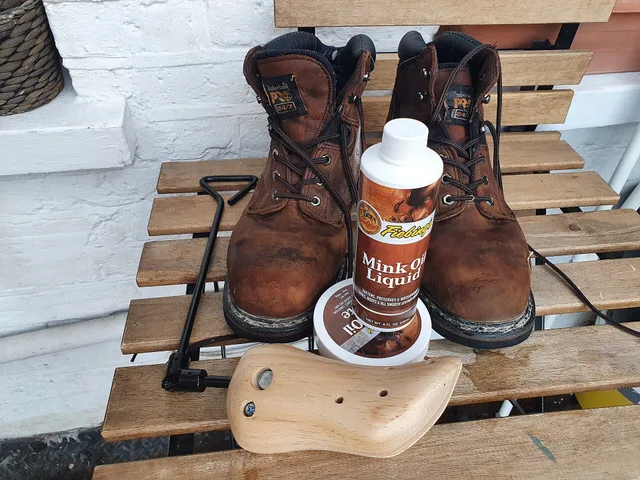
Repairs belong in the arithmetic and they also reduce it. Heel tips are the clearest example: a repairer replaces a tip while the heel stack is still sound and the shoe goes straight back into rotation. Let the tip wear through instead and the repair that follows is much larger.
Costs left out of the sum
- Heel tipsfew dollars, prevents large repair
- Rotationsecond pair outlay, pays back
- Storagenear zero cost, best return
- Register costcalendar-driven extra pair
Storage has a cost of almost nothing and prevents damage that costs a great deal, which makes it the best return in the whole calculation. The care calendar captures it, and it applies across the wardrobe, as the guide to men's professional wear shows.
The register cost is real too. A pair that cannot reach the formal end of your week means another pair must, which is a purchase driven by the calendar rather than by the shoe. The levels that create that requirement are set out in business formal, and the guide to work shoes covers the pairs themselves.
Common questions
Is there a price below which shoes are never worth buying?
Not a number worth naming, because the same money buys very different things in different markets. The useful test is construction and fit, both of which you can check in the store without knowing the price.
Do more expensive shoes fit better?
No. Fit is a match between the shape of the shoe and the shape of your foot, and price does not change either. A better shoe in the wrong width will hurt more, because it is stiffer and will not give.
Is it worth resoling a shoe that no longer fits well?
No. Spend the money on a pair that fits. A resole returns the sole, not the fit, and a shoe that has stretched or whose counter has collapsed will not improve.
Is a second pair worth buying early?
It pays back. Alternated pairs are each worn half as often and last more than twice as long in calendar time, so plan the outlay rather than discovering it.