Costs
Part of Business formal: what the experienced already know
Affordable business formal: read the cloth before the price
Affordable business formal starts with the cloth: what weight and weave do, what a Super number legally means, and what the fiber and care labels must say.
Two garments cut to the same pattern, in the same color, can behave completely differently. One holds its line all day. One is creased by ten in the morning.
The difference is the cloth, specifically two properties almost nobody checks before buying. Weight and weave decide how a formal garment hangs, how it recovers, how long it lasts, and how it looks under a camera.
For affordable business formal, that makes the cloth the first thing to read, before the price tag: the cheapest suit is the one that survives the most wearings, and the ticket and the labels tell you which one that is.
What to take away
- Weight determines drape and creasing. Heavier cloth hangs straighter, creases less and survives more wear; lighter cloth is cooler and more fragile.
- Weave determines texture and resilience. A tight smooth weave photographs cleanly and shines with wear; an open textured weave hides creases and breathes.
- Higher yarn-fineness numbers mean finer, not tougher. For a garment worn weekly, finer is usually the wrong trade.
Weight is the property that does the most work
Suiting cloth is sold by weight per unit area, usually printed in ounces or grams on the ticket or in the online specification. You do not need a target figure to use it: compare two garments in the same shop, and the higher figure is the cloth that will hang straighter and last longer. It is worth asking for when it is not shown.
Heavy vs light suiting cloth
Heavier cloth
- Drape
- Hangs under own weight
- Trousers
- Fall straight
- Jacket
- Keeps shoulder to hem
- Creases
- Fall out overnight
- Wear
- Slower at friction points
- Trade-off
- Heat and bulk
Lighter cloth
- Drape
- Follows what it covers
- Trousers
- Crease behind knee
- Jacket
- Loses shape
- Creases
- Set within an hour
- Wear
- Wears through sooner
- Trade-off
- Cooler, packs smaller
The one specification a maker cannot omit is the fiber content, which has to be disclosed under the rules on textile and wool labeling, and weight read together with fiber tells you most of what the cloth will do. The two federal laws behind that label are the Textile Fiber Products Identification Act and the Wool Products Labeling Act, both enforced by the Federal Trade Commission.
Heavier cloth has more mass per unit of surface, so it hangs under its own weight rather than following whatever it is draped over. Trousers fall straight. A jacket keeps its shape between the shoulder and the hem. Creases fall out overnight because there is enough substance in the fibers to recover. The trade is heat and bulk.
Lighter cloth does the reverse: it is cooler, packs smaller, and feels better in a warm room. It creases behind the knee within an hour of sitting and wears through at friction points sooner.
There is nothing wrong with light cloth by itself. There is something wrong with buying light cloth for a garment that has to look composed at four in the afternoon.
For a first formal garment on a limited budget, weight in the middle of what a shop stocks is almost always the better answer than either extreme, because it is wearable for more months of the year and forgives more.
Weave changes what you see, not just what you feel
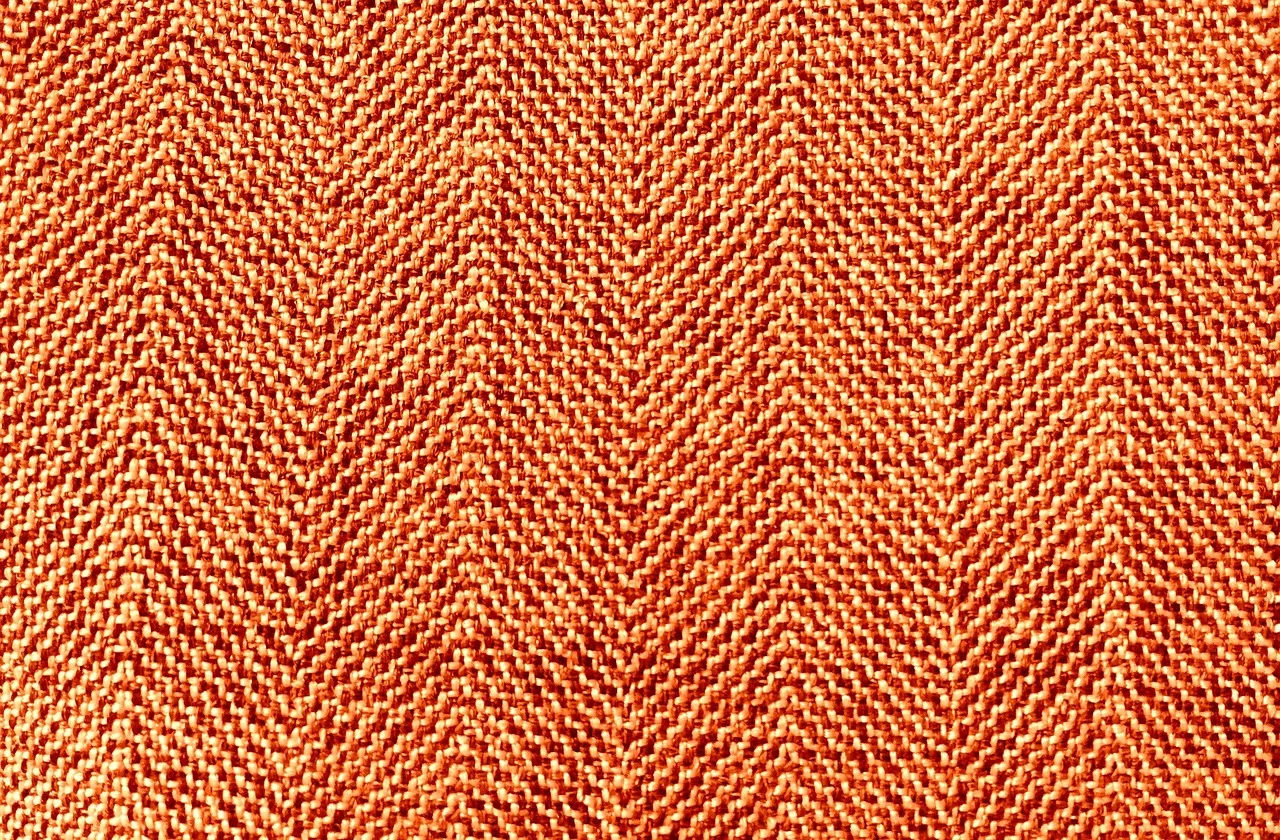
Weave is the pattern in which the yarns cross. It sets surface texture, and surface texture sets almost everything about how a garment reads across a room.
Weave families and where they suit
Weave family
- Plain or open
- Air passes, creases hide
- Twill
- Diagonal, recovers creases
- Flannel or brushed
- Soft matte, hides marks
- Tight smooth
- Luster, shows creases
Behaviour
- Plain or open
- Warm rooms, travel
- Twill
- Default formal, forgiving
- Flannel or brushed
- Cold months, no shine
- Tight smooth
- Occasional wear only
Where it suits
- Plain or open
- Twill
- Flannel or brushed
- Tight smooth
Weave changes what you see
How it behaves
- Plain or open weave
- Air passes through, texture is visible, creases hide in the surface
- Twill
- Diagonal line, smooth face, good crease recovery
- Flannel and brushed finishes
- Soft raised surface, matte, hides everything
- Very tight smooth finishes
- Even face, slight luster, shows every crease and mark
Where it suits
- Plain or open weave
- Warm rooms, long days, travel
- Twill
- The default for formal use, and the most forgiving all round
- Flannel and brushed finishes
- Cold months, and any situation where shine is unwanted
- Very tight smooth finishes
- Occasional formal wear rather than daily use
The practical consequence: a smooth tight cloth looks best on the first wearing and worst on the two hundredth, because friction at the seat and elbows polishes the surface into permanent shine that cannot be reversed. A textured weave starts less crisp and stays acceptable far longer. On a budget, that is the whole argument.
What the fineness numbers actually mean
Cloth is often labeled with a number describing yarn fineness. Higher numbers indicate finer fibers spun into finer yarn. Finer yarn gives a smoother hand and a lighter, sleeker cloth.
The number is a legal definition, not a marketing grade. Under the federal rule on Super numbers, wool labeled "Super 100's" must average 18.75 microns in fiber diameter or finer, and "Super 120's" must average 17.75 microns or finer. The scale only measures how thin the fiber is.
Finer yarn is not stronger
Higher fineness number
- Hand
- Smoother
- Cloth
- Lighter, sleeker
- Strength
- Abrates through sooner
- Creases
- Hold stubbornly
- Pressing
- Tolerates less
- Best for
- A few wears a year
Lower fineness number
- Hand
- Coarser
- Cloth
- Substantial
- Strength
- Wears longer
- Creases
- Recover better
- Pressing
- Tolerates more
- Best for
- Weekly work wear
It does not give strength. A finer fiber is thinner, and thinner fibers abrade through sooner, hold a crease more stubbornly and tolerate pressing less.
Treating the number as a quality ranking is the most expensive misreading in the whole category. It pushes a buyer toward the cloth least suited to being worn every week.
If a garment will be worn a few times a year, fine cloth is a reasonable luxury. If it is going to work, choose durability and buy the fineness later.
How cloth behaves on camera
A room and a lens do not see the same garment. Tight, shiny weaves throw back light and can read as cheap on video even when they are not. Very fine repeating patterns, particularly closely spaced checks and pinstripes, can interfere with a sensor's pixel grid and produce a shimmering moire that is distracting and cannot be fixed afterward.
Cloth for camera and calls
Will it be photographed or seen on calls?
matte, plain or large pattern
fineness and shine matter less
For anything that will be photographed or seen on calls, a matte surface and either a plain cloth or a pattern large enough to survive compression will do better than a technically finer alternative. The headshots and presentation guide covers the rest of that problem.
Buying formal cloth without spending much
- Look at the weight first and ask if it is not printed. A shop that cannot tell you is a shop selling on appearance.
- Prefer twill or a textured weave over a very smooth finish for anything you will wear more than monthly.
- Check the lining. A garment lined in a synthetic that does not breathe will be uncomfortable regardless of how good the outer cloth is, and relining is a real cost.
- Read the care label before the price tag. Under the FTC's Care Labeling Rule it has to give complete instructions about regular care, or a warning if the garment cannot be cleaned without harm, and a garment you will not clean that way is not a garment you should buy.
- Blends are not automatically worse. A small proportion of synthetic can improve crease recovery. A high proportion usually means heat and shine.
- Buy the shoulder, alter the rest. That decision is set out in full under fit and alterations in menswear, and it applies to formal cloth exactly as it does to everything else.
The rest of the outfit is subject to the same reasoning. Formal shoes are the item where construction quality shows up soonest, covered under work shoes, and how strictly any of this is enforced depends entirely on the sector, which is the subject of the industry dress codes overview.
Buying formal cloth cheaply
- Look at the weight first
- Prefer twill or textured weave
- Check the lining breathes
- Read the care label first
- Small synthetic blend is fine
- Buy the shoulder, alter the rest
Where formal sits in a small wardrobe
One formal outfit that genuinely fits will cover more occasions than three approximate ones. It keeps doing so for years if the cloth was chosen for wear, not for feel in the shop.
The first formal outfit does not have to be bought new. University career centers point students to free and low-cost sources: UW Bothell Career Services, for example, lists Dress For Success and the Husky Career Closet in Seattle, Working Wardrobe in Redmond and Everett, and local low-cost and thrift stores. The same cloth checks apply to a secondhand jacket as to a new one.
The full picture of the category sits in the business formal guide. The version for a mostly non-formal wardrobe is in women's professional wear.
Common questions
Is heavier cloth always better?
No. It is better for drape, creasing and durability, and worse for heat and portability. If the room is warm or the day involves travel, a mid weight in a more open weave will outperform something heavy on every measure that matters that day.
Does a wool blend mean poor quality?
Not by itself. What matters is the proportion and what the added fiber is doing. A little synthetic for crease recovery is a sensible engineering choice. A cloth that is mostly synthetic will trap heat and develop shine at the friction points, whatever the price.
How do I tell if a cloth will shine before I own it?
Hold it toward a light and tilt it. A cloth that already throws a sheen at an angle in the shop will throw much more once wear has polished the surface. A matte face under the same test will stay matte.