Reviews
Headshots and presentation: the neckline, jacket and tone
What to wear for headshots and presentation: how to choose the neckline, the jacket or plain top, and a mid-tone color that photographs reliably.
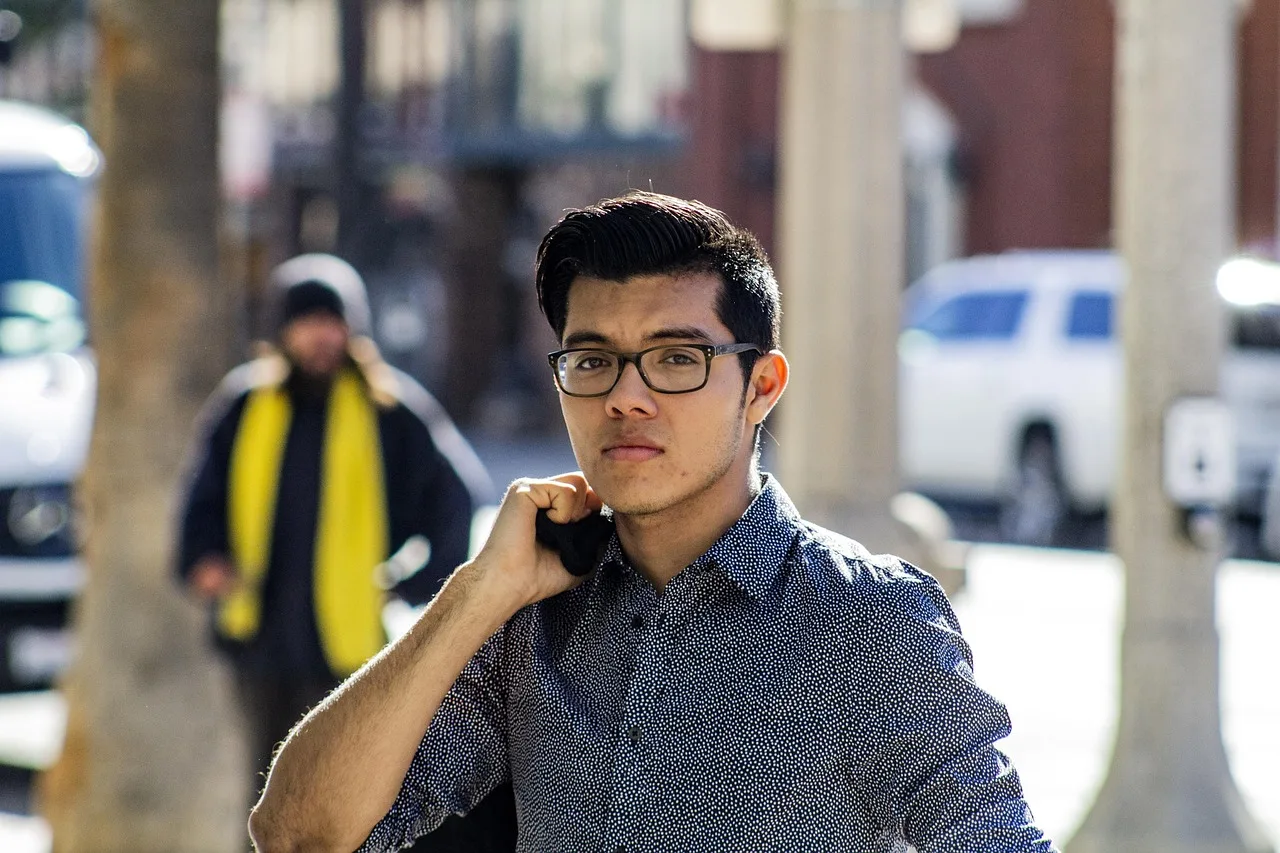
A headshot shows the collar, the neckline and the shoulders, and almost nothing else. That makes the outfit a small decision with a large effect. Three choices, made in order, decide whether the picture reads as you on a working day.
A headshot is a promise. It says: this is what you will get when I walk into the room. A good one is recognizably you, current, and pitched at the same register as the work it is attached to, and the clothes help decide all three.
What to take away
- The frame is the collar, the neckline and the shoulders. Everything below the chest is out of the picture, and everything at the neckline is doing all the work.
- A jacket gives the frame a lapel and a defined shoulder edge. A plain top needs a structured neckline to do the same job.
- Mid-tones photograph most reliably. Very dark cloth becomes a shape, and very light cloth pushes the exposure.
- If the photograph no longer looks like you on an ordinary day, retake it. Currency matters more than flattery.
The neckline is the first choice
The collar or neckline is the single most important choice. It frames the face, and it is the only part of the clothing the viewer will consciously see. Settle it first and let the rest of the outfit support it.
A soft, unstructured collar can lose its shape once the camera flattens it into two dimensions, and a jacket fixes this. Polished metal at the neckline catches the light, so leave it off. Both faults sit exactly where the viewer is looking, which is why the neckline gets the first decision.
The camera has four predictable effects on cloth: a shimmering moire that was not there, shine, wrong exposure on the face, and collapse of a collar's structure. A phone photo against a plain wall in daylight shows all four before the session.
Lens effects on clothing
Effect
- Moire
- Fine regular patterns
- Shine
- Reflective surfaces
- Wrong exposure
- Extreme contrast
- Collapse
- Flattened into 2D
Cause
- Moire
- Small checks, narrow stripes
- Shine
- Satin, silk, polished metal
- Wrong exposure
- Very light or dark garment
- Collapse
- Soft unstructured collars
Avoid
- Moire
- Shine
- Wrong exposure
- Collapse
Jacket or plain top
Bring both. A jacket adds a second line, the lapel, which leads the eye upward and gives the shoulder a defined edge. A plain top without a jacket is fine, but it needs a structured neckline, since no lapel does that work.
What the frame contains
Jacket
- Second line
- Lapel leads eye up
- Shoulder edge
- Defined by jacket
- Neckline
- Framed by lapel
- Fit risk
- Shoulder fit visible
Plain top
- Second line
- None
- Shoulder edge
- Needs structure
- Neckline
- Must be structured
- Fit risk
- Less critical
The shoulder line is the second thing the frame contains. It should be level, and a jacket that fits at the shoulder will make it so. A jacket that does not fit there is more visible in a headshot than anywhere else, because there is nothing else in the picture to look at.
Inspecting a jacket from the inside is covered in men's professional wear, and the same inspection applies to any jacket you bring. Keep it buttoned while standing and unbuttoned while sitting, the same rule as in a room.
Color and the exposure on the face
Color is the third thing the frame contains. Mid-tones photograph most reliably. Very dark cloth loses its detail and becomes a shape; very light cloth pushes the exposure and can dull the face. A color with some depth, neither black nor white, is the safe center of the range.
Wrong exposure on the face is what happens when the camera balances a very light or very dark garment against the background. Avoid extreme contrast between clothes and background. Beyond the mid-tone rule, wear what you wear on an ordinary day, in a matte cloth.
Settle the outfit before the session
Settle the outfit from what you already own, well before the session. Six checks cover it, and an evening with a phone is enough to run them.
- Choose from what you already own and wear. A garment bought for the photograph will look like a garment bought for the photograph.
- Pick two options in different registersone with a jacket, one without.
- Press everything the day before and hang it. A crease across a lapel is permanent in a photograph.
- Test both options on a phone against a plain wall in daylight. Look for moire and shine.
- Decide what happens with glasses. Lenses reflect the light; the photographer can handle it, but only if they know in advance.
- Sleep on it. A face photographs its recent history.
Before the session
- Choose from what you own and wear
- Pick two registersjacket and no jacket
- Press everything the day before and hang it
- Test both on a phone in daylight
- Decide what happens with glasses
- Sleep on it
Which version goes where
Both versions come from the same session, so the choice is about where each is used, not which one to shoot. Choosing one in advance means the other is missing when it is needed. The room the picture is for decides which one leads.
| Where the picture goes | Lead with | What carries the frame |
|---|---|---|
| Work that sits close to business formal | The jacket version | The lapel and a defined shoulder edge |
| Anywhere the work is formal | The jacket version | A level shoulder line |
| A field where a jacket would read as costume | The plain top | A structured neckline |
| Everywhere else | The plain top | A structured neckline |
Religious dress and photo requirements
Two things are not the photographer's to decide. Title VII of the Civil Rights Act of 1964 requires employers to make reasonable accommodations where a religious practice conflicts with a work requirement. A photograph requirement that conflicts with religious dress goes through that process.
The U.S. Equal Employment Opportunity Commission (EEOC) addresses religious dress and grooming in its guidance, Religious Garb and Grooming in the Workplace: Rights and Responsibilities. When images are used in hiring, the issue is whether the employer's practice discriminates.
The EEOC's overview, Prohibited Employment Policies/Practices, says an employer may not discriminate in hiring, firing, promotions and pay. A picture request is part of that process like any other.
On the day
Sit or stand as you would in a meeting, not as you would for a photograph. The posture people adopt for a camera is stiffer than the one they use in a room, and the picture then looks like a stranger.
Bring only the accessories you wear daily, and remove anything that catches the light. On camera, one matte piece at the neckline does more than reflective metal, and accessories and bags covers this in more detail. Ask for the plain option early, while the face is still fresh. Sessions get worse rather than better as they run.
The neckline on a video call
The same frame, the same lens effects and the same neckline problem come back on every video call. From the chest down, everything is out of frame, so be as comfortable as you like. The neckline and the shoulder are the outfit.
Video call setup
- Light in front of you, not behind
- Lamp in front at face height if needed
- Camera raised to eye level
- Mid-tone garment against plain mid-tone wall
- Avoid dark on dark and white on white
A mid-tone garment against a plain, slightly different mid-tone wall photographs cleanly. A dark garment against a dark wall merges, and a white garment against a white wall does the same. Light in front of you and a camera at eye level complete the three fixes.
Which two or three tops in the wardrobe pass this test, and reaching for them on days it matters, is set out for women in business casual for women. The same holds for anyone who spends the working day on a screen.
When to retake
A headshot has a life, and it ends when the picture stops being a fair description. The test is not whether it is flattering. It is whether someone who has only seen the picture would recognize you in the lobby.
When hair, glasses or the register of your work has moved far enough that the answer is no, retake it. Keep the two versions from each session, the jacket and the plain top, and use each where it belongs.
Common questions
Jacket or no jacket?
Both, from the same session. The jacket version is for anywhere the work is formal; the plain version is for everywhere else. Choosing one in advance means the other is missing when it is needed.
What color is safest?
A mid-tone with some depth to it, in a matte cloth. Not black, which loses its shape, and not white, which fights the exposure. Beyond that, whatever you wear on an ordinary day.
How often should a headshot be replaced?
When it stops being recognizably current, and not on a schedule. Look at it once a year and ask the lobby question honestly.
In this guide
- Why do headshot and presentation brand lists disappoint, and what helps?Best headshots and presentation brands lists disappoint for three reasons; here is the construction check that replaces them, and what price tells you.
- Affordable headshots and presentation: free DIY basicsAffordable headshots and presentation for free: window light, phone framing, on-camera workwear and the terms to settle before a paid session.
- The costliest headshots and presentation mistakes, explainedHeadshots and presentation mistakes made after the session: lost originals, crops of crops, inconsistent images, and the photograph left to go stale.