Industry
Part of Men's business casual: few variables, register errors, fit and fabric
Forget the brand list: judge business casual menswear by construction
Best business casual men brands, replaced by a construction check: the trouser waistband, the shirt side seam and the knit edge, in one minute.
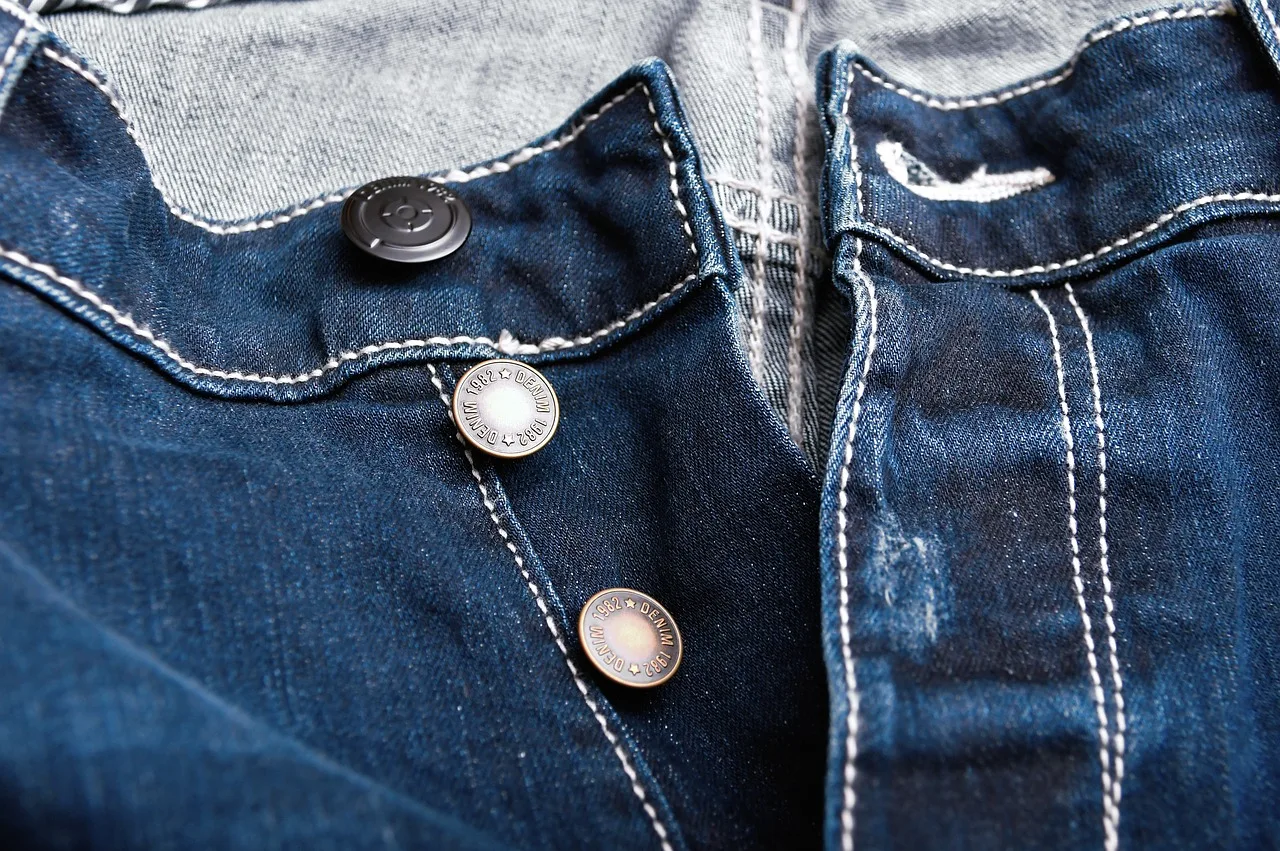
Turn the trousers inside out at the waistband. That is where a maker decides whether they are making a garment or a product, and it is visible in the first ten seconds of handling it. A name on the label is a claim. The inside of the waistband is evidence.
This page changes the premise from naming makers to testing them. Names go stale, lines within a name vary, and what is sold under a name in one country is not what is sold under it in another. A construction check does not go stale, and it works on a garment you have never heard of.
What to take away
- Three garments carry men's business casualthe trouser, the shirt and the knit. Each has one place where a maker's care is visible and cannot be faked.
- A maker's reputation was earned by a garment you are not holding. Test the one you are.
- A photograph hides everything the check finds. Buying online, the flat measurement and the returns policy stand in for the minute.
The trouser: waistband, fly, seat
Open the waistband and look at the inside. A curtained waistband, where a separate strip of cloth is stitched inside to take the strain, is the mark of a maker who expects the trouser to be worn hard and altered. A plain folded band is the mark of one who expects it to be replaced.
Then the fly. The zip should be set into a reinforced facing, with a bar tack at the base where the strain concentrates. A fly without the bar tack is the fly that will fail.
Check the seat seam from the inside, and look for spare cloth at the center back that allows the waist to be let out. Look for a crotch reinforced with a small triangle or a second row of stitching.
A trouser with none of these was cut to a price. When it needs adjusting, a tailor will have nothing to work with.
The shirt: side seam, collar band, gusset
Turn the shirt inside out and check the side seam.
A seam with one line of stitching on each side, raw edges folded in and enclosed, was sewn in two passes by someone who cared about it lying flat. A mass of overlocked thread was sewn in one pass by a machine set for speed.
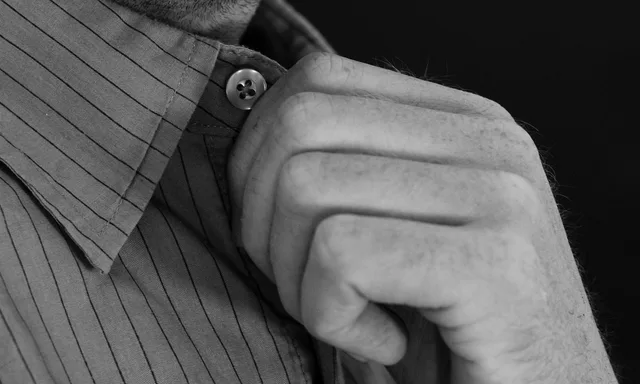
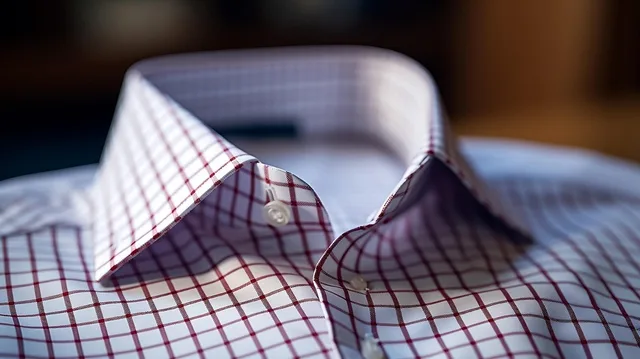
Then the collar. Look at the band, the strip against the neck under the collar itself. It should be firm, evenly stitched, and shaped rather than straight. That band is what makes a collar stand up without a tie.
A collar that stands away from the neck or collapses at the points was built on a weak band. No amount of pressing corrects that.
Then the gusset, the small triangle of cloth where the side seam meets the hem. It is a reinforcement and it costs the maker a few seconds. Its presence tells you somebody was thinking about the shirt being worn for years.
The knit: the edge tells the story
Look at the armhole seam from the inside. A knit with pieces shaped on the machine and then joined shows small regular marks where stitches were decreased. Its seam is fine and flat.
A knit made as a flat sheet and cut to shape shows an overlocked edge with loose cut ends inside the seam. It will lose shape faster because the cut edge is under strain.
Then stretch the cuff and the hem and let them go. Recovery is what keeps a knit looking new; a cuff that stays stretched is a knit that will be a loose knit within a month.
Then hold the body up to the light, and look at the density of the stitch. Unevenness is visible as a mottled pattern in the light, and it will be more visible after washing.
A record, kept by line
Write down what passed and what did not. Not by maker, by line, because a maker's trouser line and shirt line may come from different factories with different standards.
| Maker and line | Garment | The check | Result |
|---|---|---|---|
| (name and line) | Trouser | Curtained waistband, bar-tacked fly, seat allowance | Passed |
| (name and line) | Shirt | Enclosed side seam, shaped collar band, gusset | Overlocked seam: failed |
| (name and line) | Knit | Shaped seams, cuff recovery | Passed |
Three lines is enough to start. After a year of purchases the record will tell you where to shop in a way no published list can, because it was built from garments you paid for and wore.
Buying online, where the minute is not available
Nothing in the checks above is visible in a product photograph. Three things substitute.
The flat measurements, compared against a garment you already own. A size label is not comparable across makers; a flat measurement of the chest, the waist, the shoulder and the sleeve is.
The fiber content and, where stated, the cloth weight, which predict how the garment will behave better than any picture. The content statement is the one a maker cannot omit, and what it has to disclose is set out in the rules on textile and wool labeling.
And the returns terms, read before the description. Free returns turn an unknown line into a cheap experiment; paid returns turn a familiar one into a gamble.
When the parcel arrives, run the checks before the tags come off, and read the care label at the same time. Under the FTC care labeling rule it has to state a complete regular care procedure, and a procedure you will not follow is a reason to return the parcel.
What the check does not answer
Construction is one judgment and fit is another, and a garment needs a yes on both. The checks above establish whether the garment was made with care. Whether it fits at the shoulder, the chest and the waist is separate, and the order in which to make those decisions is set out in men's professional wear.
The register of the garment is a third question. A shirt can pass every check yet still be built for a tie. Worn open, it collapses at the collar for reasons unrelated to quality; the guide to business casual for men explains why.
Where a garment sits in the year, which cloth weight it belongs to, and which layer goes over it are covered by the ladder in business casual men ideas.
Common questions
Does a higher price predict a better result on the checks?
Only at the bottom of the range. Above that, the money is going somewhere else: into the name, into finishing that is real but subtle, or into cloth with diminishing returns. Put two garments side by side and run the checks. If the results do not differ, the price is buying something other than construction.
What about shoes?
A different check with the same logic. The sole attachment tells you whether the shoe can be repaired, and it is visible on the edge of the sole; the guide to work shoes covers it.
What about the bag?
The strap anchor and the base, which are where a bag fails, and the guide to accessories and bags lists what to look for.
Should I ever buy from a line that failed one check?
If the failed check does not matter for the job, yes. A knit with an overlocked edge that is worn under a jacket for one season is a reasonable purchase. A trouser with no seat allowance, bought to be kept for years, is not.