Rules
How US tax rules decide when a work suit or pair of shoes is deductible
Professional workwear style meets IRS rules: Publication 529, the uniform and protective clothing tests, and what US employees can still deduct after 2018.
What to take away
- Professional workwear style rarely produces a tax deduction, because the IRS allows clothing only when it is required for work, unsuitable for ordinary wear, and not adaptable to general use.
- A plain business suit fails that test almost every time, even in offices with formal dress codes.
- Shoes, bags and safety footwear can qualify when they are protective, required by an employer, or unusable off the job.
- The 2018 suspension of unreimbursed employee expense deductions ended clothing write-offs for most employees, though some workers in specific job categories are still excepted.
- If a deduction is available, you need receipts, a usage log and often an employer letter to survive an audit.
The two tests the IRS applies to a work suit or pair of shoes
The IRS does not deduct clothing because it is expensive, work-appropriate or worn only to the office. It asks two questions instead. For a plain business suit, the answer is usually no.
IRS Work Clothing Tests
Is the clothing required by your employer?
Apply uniform test
Not deductible
The first is the uniform test. The clothing must be required as a condition of employment, and it must not be adaptable to general or ordinary wear. A uniform that looks like everyday clothing fails, no matter what the employer calls it.
The second is the protective clothing test. Clothing and equipment needed to protect against hazards at work can qualify even when it resembles ordinary clothes, provided it is genuinely protective and required by the job.
Both tests come from Publication 529 (12/2020), Miscellaneous Deductions | Internal Revenue Service, which handles miscellaneous deductions including work clothing and uniforms.
That single phrase, not suitable for ordinary wear, decides most disputes. A navy suit is suitable for a wedding, a funeral or a job interview. A hospital scrub set with a facility logo generally is not.
Notice what the tests do not consider. Cost does not matter. Quality does not matter. How often you wear the item to work does not matter. A $900 suit worn five days a week is still ordinary clothing.
The IRS also publishes a shorter summary at About Publication 529, Miscellaneous Deductions | Internal Revenue Service.
If you are building a rotation for the office rather than an audit file, the practical guidance sits elsewhere. Readers who want the rules of the wardrobe itself, not the tax code, should look at what the experienced already know.
What Publication 529 says about uniforms and protective clothing
Publication 529 groups deductible work clothing into a few recognizable categories. Each one has to clear the same basic bar.
Deductible vs Non-Deductible Work Clothing
Deductible
- Uniforms
- Logos, specific colors
- Protective
- Safety shoes, hard hats
- Uniform items
- Required hats, ties
- Maintenance
- Cleaning qualifying uniforms
Not Deductible
- Uniforms
- Everyday clothing
- Protective
- Ordinary streetwear
- Uniform items
- Adaptable to general wear
- Maintenance
- Personal clothing care
Uniforms required by an employer qualify when they are distinctive and not adaptable to general wear. Think uniforms with logos, specific colors or cuts that mark the wearer as an employee.
Protective clothing qualifies when it protects against hazards. Safety shoes, hard hats, safety glasses, work gloves, chemical suits and similar items are the classic examples.
Items that are part of a uniform, such as required hats, ties, insignia or special shoes, can be deducted along with the uniform itself when the whole set meets the test.
Maintenance costs count too. Cleaning and laundering of qualifying uniforms can be deductible, which is where a dry clean a suit schedule becomes a recordkeeping question rather than a style one.
The publication also draws a line that catches many people. Clothing that can be worn as ordinary streetwear is not deductible, even if you never actually wear it outside work.
That is the whole framework. The IRS is not asking whether the clothing is for work. It is asking whether the clothing is only for work.
Why a plain business suit usually fails the deductible workwear test
A business suit is the most common item people try to deduct and the most common item the IRS rejects.
A suit is adaptable to general wear by design. It is sold in ordinary retail stores, marketed for weddings and funerals, and worn by people who never set foot in your office.
A dress code does not change that. Even an employer that requires a suit every day does not make the suit a uniform, because the suit itself is not distinctive and remains suitable for ordinary use.
The exception is narrow, and it involves clothing that is genuinely unusable outside the job.
The same logic applies to ties, dress shirts, blouses, dress pants and blazers bought for a business formal environment. They are ordinary clothing in a work setting.
Cost per wear does not enter the analysis either. A suit worn 200 times a year is still ordinary clothing, which is why a business formal checklist organized around value matters more than a deduction that will not arrive.
There is one practical upside to the rule. Because the deduction is unavailable, you can choose workwear on fit, durability and price without gaming a tax test that would fail anyway.
When shoes, bags and safety footwear do qualify
Footwear is where the analysis gets more interesting, because some shoes are protective and some are merely dressy.
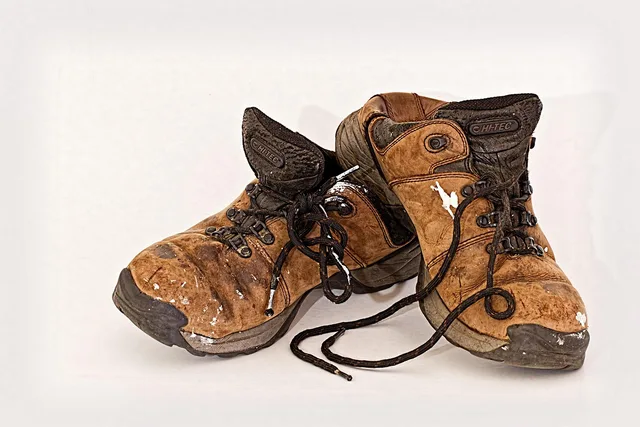
Safety shoes and boots that meet workplace safety requirements can qualify. Steel-toe boots, electrical hazard footwear and chemical-resistant boots are the standard examples, and OSHA standards often drive the requirement.
Shoes that are simply required by an employer but look like ordinary shoes are harder. Non-slip restaurant shoes or plain black dress shoes mandated by a dress code usually fail the ordinary wear test.
Specialized footwear that cannot reasonably be worn off the job is the stronger case. If the shoe is built for a specific hazard, the argument improves.
Work bags are the weakest category. A briefcase, tote or laptop bag is ordinarily usable in daily life, so it rarely qualifies. A specialized bag required by an employer and unusable elsewhere is the rare exception.
Topic no. 511, Business travel expenses | Internal Revenue Service covers how business expenses, including travel-related costs, are treated for deduction purposes, which is useful context when clothing and travel costs overlap on the same trip.
For the care side of footwear, our guide to work shoes keeps the items you actually paid for in service longer, which is the return you can control.
Recordkeeping an employee needs: receipts, logs and employer letters
If a deduction is available to you, the paperwork decides whether it survives. The IRS expects contemporaneous records, not a reconstruction in April.
Here is the sequence to follow.
Recordkeeping an employee needs
- Confirm your eligibility first. Check whether your job category is excepted from the 2018 suspension before you collect anything.
- Save the receipt at the point of sale. A card statement alone is weak evidence of what was bought.
- Record the business purpose and date of each purchase in a log while the detail is fresh.
- Ask your employer for a written statement that the item is required and that it is not adaptable to ordinary wear.
- Keep cleaning and maintenance receipts if you are deducting upkeep on qualifying items.
- Store everything together by tax year, separate from personal clothing receipts.
Employee Deduction Recordkeeping
- Receipts showing item, price, date, seller
- Log with business purpose for each item
- Employer letter stating requirement
- Evidence item is not suitable for ordinary wear
- Cleaning and maintenance receipts
- Note on which form you will use
Forms & instructions | Internal Revenue Service is where you find the current forms and instructions before you file, since form numbers and line references shift between years.
How the 2018 suspension of unreimbursed employee expenses changed the math
The Tax Cuts and Jobs Act suspended miscellaneous itemized deductions subject to the 2 percent floor for tax years 2018 through 2025. Unreimbursed employee expenses sat in that category.
Suspension of Employee Deductions
- 2018Suspension begins for miscellaneous itemized deductions
- 2018-2025Unreimbursed employee expenses suspended
- 2026Rules after sunset are a separate question
For most employees, that ended the clothing deduction entirely. You could no longer itemize work clothing, union dues or unreimbursed mileage on Schedule A.
Some categories were excepted. Armed forces reservists, qualified performing artists, fee-basis state and local officials, and employees with impairment-related work expenses can still deduct certain unreimbursed expenses.
If you fall into an excepted category, the older mechanics return. You generally use Form 2106 to calculate unreimbursed employee business expenses, then carry the result to Schedule A as a miscellaneous deduction.
Self-employed workers were never in this bucket. If you are a freelancer, work clothing that qualifies is a business expense on Schedule C, not an itemized deduction.
That distinction matters for readers who mix employment and freelance income. The same suit can be non-deductible for your salaried job and deductible for a freelance engagement only if it meets the uniform or protective tests.
Employer-provided uniforms and who claims the deduction
When an employer provides or pays for uniforms, the employer generally claims the cost as a business expense. The employee claims nothing, because the employee paid nothing.
The complication is when an employer requires a uniform but makes the employee buy it. Who can deduct depends on who bore the cost and whether the employee is in a category that can still deduct unreimbursed expenses.
Wages and the Fair Labor Standards Act | U.S. Department of Labor sets the wage context here. Under the FLSA, when an employer requires a uniform, the cost generally cannot push an employee's pay below minimum wage or cut into overtime owed.
That is a wage rule, not a tax rule, and the two run on separate tracks. A uniform cost your employer must reimburse under wage law is not a deduction you can also claim.
Some states add their own uniform and reimbursement requirements on top of federal law, so a worker in California or New York may have stronger reimbursement rights than the federal floor provides.
If you are choosing what to buy rather than what to deduct, budget decisions belong with fit and fabric. Men building a first rotation can start at the shoulder, because that is where a suit either works or does not.
Where to file and which forms carry a clothing deduction
Filing location depends on your worker status and whether you fall into an excepted category.
Where to File a Clothing Deduction
- Self-employed -> Schedule C
- Excepted employee -> Form 2106 then Schedule A
- Most employees -> No line after 2018
- Corporations -> Deduct uniforms they provide
Self-employed filers report qualifying work clothing on Schedule C as an ordinary and necessary business expense. This is the cleanest path and the one most likely to hold up.
Excepted employees use Form 2106 to compute unreimbursed employee business expenses, then report the total on Schedule A as a miscellaneous itemized deduction.
Most other employees have no line for it. After the 2018 suspension, there is no Schedule A entry that accepts ordinary unreimbursed work clothing.
Corporations and partnerships deduct uniforms they provide as business expenses on their own returns, which is why employer-provided uniforms usually produce no employee deduction at all.
Before filing, confirm the current year's treatment, because the suspension has a sunset and the rules after it are a separate question. That question is unresolved: the suspension is written to end after 2025, and what follows it depends on legislation that can still change. The forms and instructions page is the authoritative starting point each season.