Maintenance
Part of Work dresses: knit against woven, and the fiber label that decides fit
How to care for work dresses, check them before buying, and repair them
A practical guide to work dress care: how washing and dry cleaning cause wear, which repairs are worth making, and what to inspect before buying.
The cheapest dress you own is the one you already have, worn twice as many times as you expected. That is not a thrift slogan.
Care and small repairs are the only levers that reliably change what a wardrobe costs per year. Most damage that shortens a garment's life happens in the machine at home, not at work.
What to take away
- Washing is the main cause of wear. Wash less often, wash cooler, and dry gently, and a garment lasts noticeably longer.
- Three repairs cover most failuresa hem, an opened seam and a zipper slider. All are cheap, and all are usually done before the garment is worn out.
- On sustainability, only one version reliably worksbuy fewer things and keep them longer. Everything else is a smaller effect wearing a bigger label.
The machine is doing most of the damage
Clothes do not usually wear out at work. They wear out being cleaned. Agitation drags fibers against each other, heat shrinks and sets, and the lint you pull out of a dryer filter is not dust. It is fiber that used to be part of your clothes.
Four habits change the outcome more than any product will.
- Wash on wear, not on schedule.Most office clothing is not dirty after a day. It is warm and creased. Airing a garment overnight on a hanger solves both without a wash cycle.
- Turn things inside out and use a mesh bag.Most surface damage is friction against zippers, hooks and the drum. Reducing contact reduces pilling.
- Lower the temperature.Heat is what sets stains permanently, shrinks natural fibers and degrades elastic. Cold water plus a longer cycle beats hot water plus a short one for almost everything.
- Skip the dryer where you can.Line drying removes heat and tumbling in one step, and those two together account for most shrinkage and fiber loss.
Read the care label as the manufacturer's tested instruction, not a suggestion. Note how absolute the wording is. Under the FTC care labeling rule, the label must give a complete regular care procedure. That makes it a specification, not an opinion.
Labels vary in how firmly they are phrased. The difference matters when you decide whether to risk a home wash.
What dry cleaning does and does not do
Dry cleaning is solvent cleaning, not a gentler version of a wash. It removes oil-based soil well, water-based soil less well, and it puts structured garments through mechanical handling and pressing every time.
Two consequences follow. First, sending something for cleaning after every wear is hard on it, particularly anything with a lining or interfacing. Second, a good deal of what people want from dry cleaning is pressing, which can be bought on its own for less. Ask for a press and spot clean when the garment is not actually soiled.
A wardrobe that all requires professional cleaning carries a running cost that does not appear on any price tag. If the budget is tight, that alone is a reason to prefer fabrics you can handle at home, a point developed in building a wardrobe of fewer better things.
Repairs worth making, and their timing
The economics of repair are better than most people assume, because garments usually fail at a single point long before the fabric is spent.
| Failure | What it takes | When to act |
|---|---|---|
| Hem down | Rehemming, or fusible tape as a temporary fix | Immediately, before the loose thread pulls further |
| Seam opened | Restitching the seam | At once, while the seam allowance is intact |
| Zipper will not hold closed | Usually a worn slider, not a broken zip | Replace the slider before replacing the whole zipper |
| Pilling | A fabric shaver, used with light pressure | Whenever it appears; it recurs and that is normal |
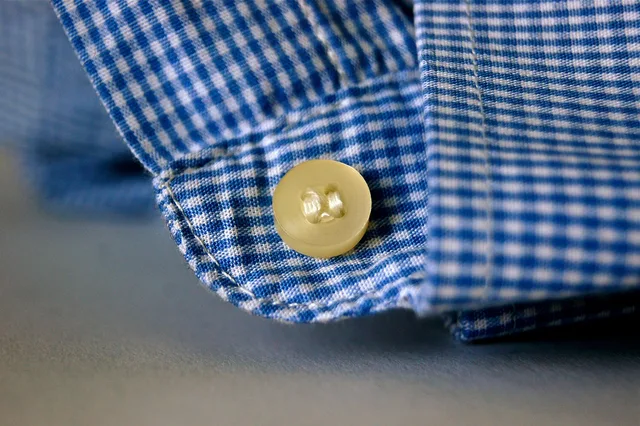
| Button lost | Replace it, and the whole set if it is visible | Keep the spare button sewn inside the garment |
| Lining torn | Repair or replace the lining panel | Worth doing on a structured garment, rarely on an unstructured one |
The one repair that is usually not worth paying for is anything that requires recutting a shoulder or a set-in sleeve. That is skilled work, priced accordingly, and on an inexpensive garment it can cost more than the garment did.
What to look at before you buy, so there is less to repair
Turn a dress inside out in the shop. Three things are visible in a few seconds and predict most of its future.
Seam allowance: how much spare fabric sits inside the seam. More allowance means the garment can be altered later, and the seams are less likely to fray apart under strain.
Lining: a lining takes friction that would otherwise fall on the outer cloth. It also stops the outer cloth clinging, which is a comfort and a longevity feature at once.
Zipper: a solidly mounted zip in a reinforced seam will outlast a very fine one set into thin fabric, whatever the rest of the garment is like.
Knit and woven fabrics fail differently. Neither is better. Knits stretch, recover, and travel well, but they pill and grow at the elbows and seat. Wovens hold their line and resist pilling, but they crease and cannot absorb movement.
Choose for the day you actually have. The work dresses overview covers the wider category. work dress ideas covers how the same garment gets used across different settings.
Storage, which costs nothing
Give a garment a day off between wears so the fibers can recover their shape. The same rest applies to work shoes, for the same physical reason.
Hang structured pieces on a hanger wide enough to support the shoulder. Fold knits rather than hanging them, since a hanger slowly stretches a knit at the shoulders under its own weight. Clean anything containing wool or silk before storing it for a season, because moth larvae are attracted to soil and perspiration rather than to the clean fiber itself.
The sustainability question, answered honestly
Most of a garment's environmental cost is fixed before you see it: the fiber was grown or synthesized, the cloth was made, dyed and shipped. Nothing you do afterward undoes that, which means the largest decision available to you is whether the garment gets made and bought at all.
Recycling is a weaker lever than it sounds. Blended fabrics are hard to separate back into usable fiber, and only a fraction of collected clothing re-enters the clothing supply.
Federal figures on textiles in municipal waste, including generation and recycling rates over time, are published in the EPA's textiles material-specific data. Read them before assuming a donation bin closes the loop.
That leaves the unglamorous version, which is the one that works: own fewer garments, wear each one many more times, repair the first failure instead of replacing the item, and buy second hand where the construction can be inspected.
Buying a new thing with a better label is still buying a new thing. The honest framing is that consumption is the variable, and everything else is an adjustment at the margin. The same reasoning applies to accessories and bags, where a single well-made item genuinely can last a decade.
Common questions
How often should a work dress be washed?
When it is dirty, marked or has absorbed odor, rather than after a fixed number of wears. A garment that has spent a day in an office is usually neither. Airing it overnight and spot cleaning any mark will cover most days.
Is a fabric shaver bad for clothes?
Used lightly it is fine. It removes the balled fibers sitting on the surface, which have already left the yarn. Pressing hard enough to catch the fabric itself is what causes damage, so keep the garment flat and let the shaver do the work.
Are more expensive dresses cheaper over time?
Only if the extra money bought construction rather than a label. Seam allowance, lining and a well-mounted zip are what extend life. Price correlates with those loosely and with nothing else reliably.