Guides
Part of Work dresses: knit against woven, and the fiber label that decides fit
Building a work dress wardrobe around one layer, not endless dresses
Fifteen work dresses ideas built on one system: the dress plus one layer, chosen for temperature, register or movement, and how to buy into it.
A dress is one decision instead of two, which is its main advantage and the source of its main limitation: once it is on, there is nothing left to adjust except what goes over it. So the useful unit is not the dress. It is the dress plus one thing.
Fifteen combinations follow, grouped by what the added piece is doing. They are built from a small number of pieces on purpose, because the point of the system is that a handful of additions cover a year of days.
What to take away
- Treat the dress as a base and the second piece as the variable. Almost every problem a dress has is solved by what goes over it.
- Choose the second piece by what the day asks fortemperature, register, or movement. Those three cover it.
- Buy second pieces that work over more than one dress. A layer that only works with one base is an expensive accessory.
Group one: the layer is doing temperature
- A dress with a fine knit worn over it, buttoned or not. This is the most useful combination in the set because it changes the neckline as well as the warmth.
- A dress with a knit worn under it, long sleeved and thin, which reaches the coldest days without adding bulk at the waist.
- A dress with a structured jacket, which raises the register and adds almost nothing thermally. Useful when the building is warm and the meeting is not.
- A dress with a shirt underneath, collar and cuffs showing. It reads as deliberate, and it turns a sleeveless dress into a three-season garment.
- A dress with a heavy outer coat that is removed at the door. The coat carries the whole seasonal difference, which is what lets the dresses stay year-round.
Group two: the layer is doing register
Group two: register
- A dress with a jacket that matches nothing, in a plain cloth. Non-matching is not a compromise; it is the point, because a matched set can only be worn as a set.
- A dress alone, in a smooth matte cloth, which is the highest-formality version of the base and needs nothing added.
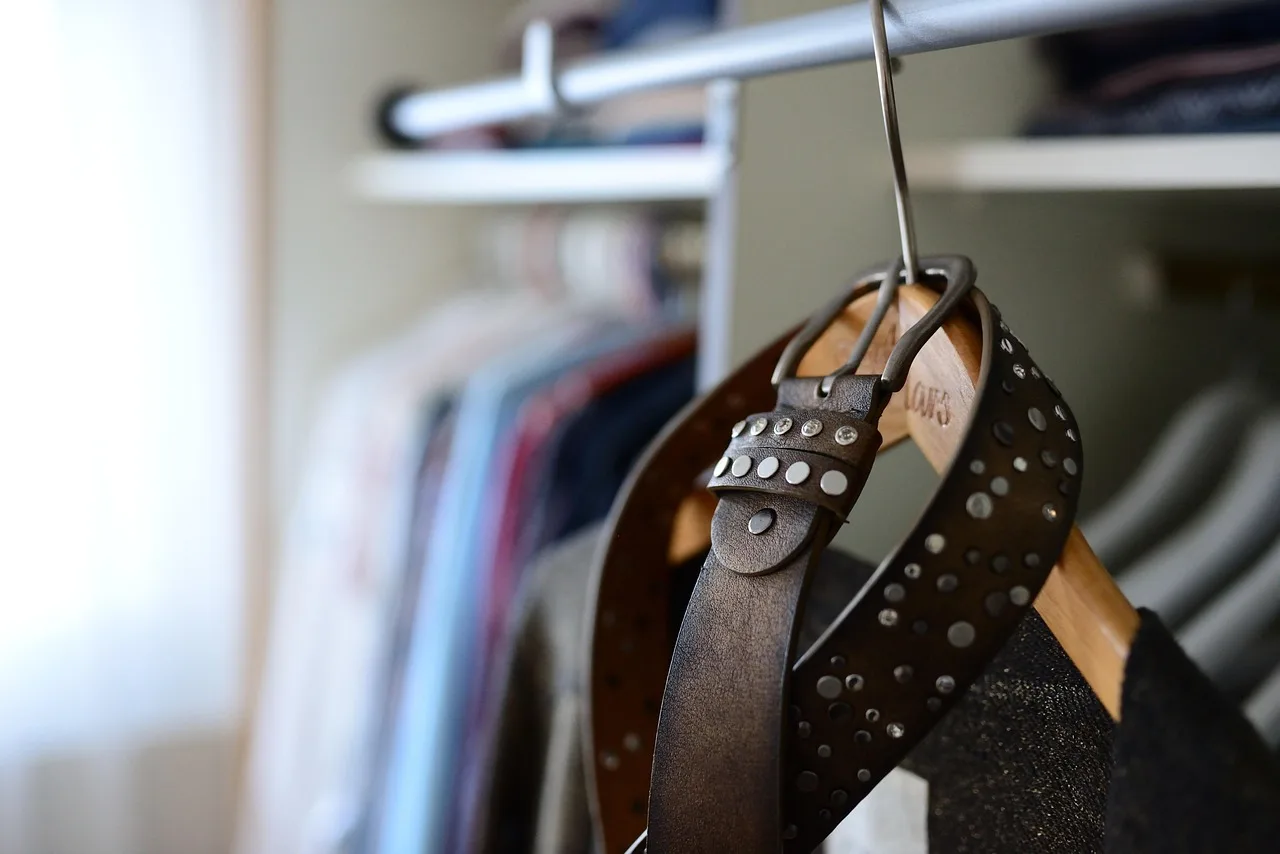
- A dress with a belt at the natural waist, which adds structure to a garment that has none and reads as more considered.
- A dress with a cardigan in a fine gauge, which lowers the register deliberately for a day where being the most formal person in the room would be wrong.
- A dress with a scarf, which is the cheapest way to change the color near the face without owning another dress.
Group three: the layer is doing movement
- A dress with hosiery and a low block heel for a day with real distance in it. The heel height question is a function of the walk, as set out in the guide to work shoes.
- A dress with a long cardigan for a day spent mostly seated, where a jacket would ride and crease.
- A knit dress with a woven jacket for travel, where the knit takes the sitting and the jacket takes the arrival.
- A dress with a flat shoe and a bag that carries across the body, for a day that starts and ends somewhere other than the office.
- A wrap dress with nothing over it for a hot day, where the closure does the shaping and there is no waistband to fail.
Choosing the second piece
The second piece should
- Cold outside, warm inside
- Be removable in one movement
- A long day of sitting
- Recover from creasing
- Client facing
- Add structure at the shoulder
- Physically active
- Allow the arm to reach forward
- Photographed
- Avoid fine repeating pattern
Avoid
- Cold outside, warm inside
- Anything that has to be pulled over the head
- A long day of sitting
- A crisp woven that marks at the lap
- Client facing
- A soft cardigan, which lowers the level
- Physically active
- A fitted jacket with no movement in the back
- Photographed
- Anything with high contrast at the edges
The last row has its own reasoning, because a lens treats pattern and contrast differently from a room, and that is covered in the guide to headshots and presentation.
Buying for the system rather than the outfit
Two rules keep the set small. Every second piece should work over at least three dresses, which in practice means plain cloth and a neutral color. And every dress should work with at least two second pieces, which means a neckline not so distinctive that only one thing sits over it.
That is the whole economy of the approach: the cost is in the dresses, which do the work. The variety is in the layers, which are cheaper.
The guide to work dresses sets out which construction determines whether a given dress can take that much wear, and the broader order of decisions is in women's professional wear.
The constraints from outside
Where a workplace sets requirements rather than expectations, they come first, and they are usually about hazards rather than appearance. Sleeve fullness near equipment, jewelry, and footwear are the usual subjects. The employer's duty to assess the hazards and select protection accordingly is set out in the OSHA general requirements for personal protective equipment.
Where clothing is worn for religious reasons, that is handled through an accommodation process rather than a dress code. The relevant federal agency's position is in its guidance on religious dress and grooming at work. The sectors where either applies are mapped in the guide to industry dress codes.
Common questions
How many dresses does this actually need?
Fewer than most people expect, because the layers carry the variety. Three that fit properly and are cleaned regularly will outperform eight that are not.
Does a matching jacket ever make sense?
For a formal register, yes, because a matched set reads higher than any combination. For ordinary days it limits you, since both pieces then have to be worn together or the mismatch is visible.
What if I cannot wear a belt at the waist?
Then use a dress that has its shaping built in, through seams rather than a belt. That construction is visible from the inside before you buy.
Is a knit dress less formal than a woven one?
Usually, because the surface is softer and the drape is looser. A dense, smooth knit closes most of that gap and is far more comfortable for a day of sitting.