Features
Public sector and private sector professional attire in Washington, D.C
Business professional attire and work style in Washington, D.C. splits between federal agencies, Congress, lobbying firms, and law firms, with layering, ADA duties.
What to take away
- Business professional attire and work style in Washington, D.C. is not one dress code: it splits by employer, and the federal baseline is more relaxed than the private sector expects.
- Most federal agency staff wear business casual day to day; suits appear for hearings, press events, and meetings with political appointees.
- Congressional staff on the dais wear dark suits and closed-toe shoes; staff in the office often wear business casual.
- Lobbying firms and D.C. law firms hold the highest standards, with suits expected for client meetings and court appearances.
- Seasonal layering is a practical requirementhumid summers near the Potomac and cold winters near Capitol Hill.
- State and local government employers, including D.C. agencies, must handle dress code accommodations under ADA Title II.
Federal agency norms: what staff actually wear day to day
Federal agencies in Washington, D.C. run on a business casual baseline. At the Internal Revenue Service and most cabinet departments, staff in policy, budget, and program roles wear slacks, collared shirts, and sweaters or blazers. Jeans are common on Fridays in many offices, though not all.
Suits come out for specific reasons. Testimony before Congress, press conferences, and meetings with Senate-confirmed appointees push staff into business formal. So does any event where a photographer is present. The business formal standard applies to those days, not to a typical Tuesday.
Safety rules can override appearance norms. OSHA federal agency programs cover federal workplaces, and protective footwear or other gear may be required in field offices, labs, and maintenance areas, even when the rest of the outfit is office-appropriate. See the Federal Agency Programs page for how those programs operate.
Occupational data helps set pay expectations for these roles. The Occupational Employment and Wage Statistics (OEWS) Tables list federal and legal occupations by wage, which is useful when you are weighing a public sector offer against a private one.
Congressional staff attire and the committee hearing standard
Congressional staff dress for two audiences: the member and the camera. On the dais during a committee hearing, the standard is a dark suit, a light shirt, and closed-toe shoes. Staff who sit behind the member in the frame follow the same rule.
Away from the hearing room, House and Senate office dress is more relaxed. Business casual is common for legislative assistants and schedulers. Chiefs of staff and committee staff directors tend to keep a jacket on the back of the door for floor votes and member meetings.
Members themselves set the tone. Some offices are strict, others less so, but staff learn quickly that a meeting in the Capitol or a press gaggle can pull them in front of a camera with no notice. The industry dress codes are narrow: dark suits, light shirts, plain backgrounds.
Remote work has changed part of this. Staff who appear on video calls from home still need professional attire that works on camera, because a jacket and a solid shirt read better on a laptop screen than a busy pattern.
Lobbying and law firm dress in downtown D.C.
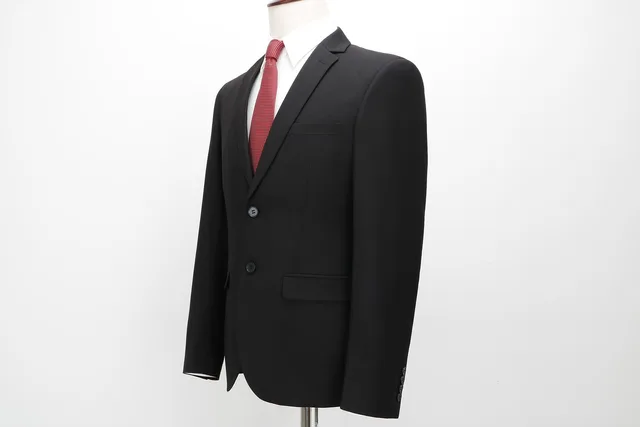
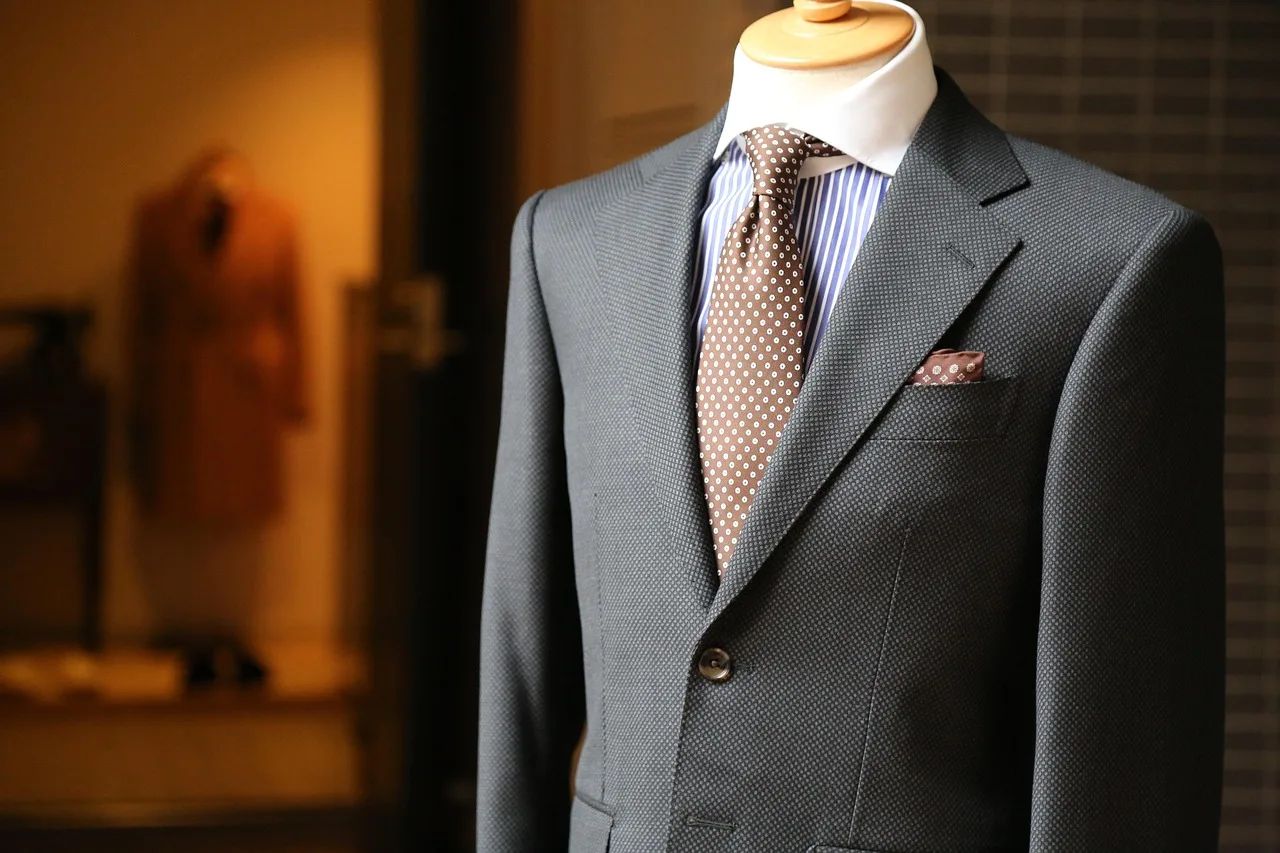
Lobbying firms and D.C. law firms hold the highest standards in the city. At a lobbying firm on K Street, a suit is the default for client meetings, fundraisers, and any event on Capitol Hill. Women often wear suits, sheath dresses with jackets, or tailored separates. Men wear dark suits, mostly navy and charcoal.
D.C. law firms vary by practice. Litigators appearing in federal court or D.C. Superior Court wear suits, and many firms require them for client meetings. Regulatory and policy practices are slightly more relaxed, but a jacket is still expected in most downtown offices.
Summer brings a small concession. Some firms allow business casual in August, and seersucker or lighter wool appears at events. Even then, a jacket and tie remain the safe choice for anything client-facing. The business formal ideas worth trying first can help you build a rotation that survives a D.C. summer.
Seasonal layering for a humid summer and a cold winter
Washington, D.C. has a humid subtropical climate. Summers are hot and sticky, with temperatures often in the 90s and high humidity near the Potomac. Winters are cold, with January lows near freezing and occasional snow. The Metro and office buildings are heavily air-conditioned in summer and heated in winter, so layering is not optional.
A workable summer layer is a lightweight wool or cotton suit, a breathable shirt, and a jacket you can remove. Keep a spare jacket in the office. In winter, add an overcoat, a scarf, and gloves, and plan for the walk from Metro to the office.
The arranged by the calendar approach works well here: build the wardrobe around the months, not the closet. That means light fabrics and no-show socks in July, and flannel trousers, heavier suits, and a topcoat in January.
Public sector accommodation duties under ADA Title II
State and local government employers, including D.C. government agencies, must consider dress code accommodations under ADA Title II. That means a requested change to a uniform or grooming rule can be a reasonable accommodation when it is tied to a disability.
The State and Local Governments page from ADA.gov explains the obligations. In practice, an agency may need to allow a different shoe, a head covering, or a modified uniform if the request is reasonable and does not create an undue hardship.
Federal agencies are covered by a different part of the ADA, but the practical result is similar: a dress code cannot be applied in a way that screens out a qualified person with a disability. Managers should route requests to HR rather than deciding on the spot.
Where private sector expectations exceed the federal baseline
Private sector expectations in D.C. are higher than the federal baseline in several ways. Lobbying firms and law firms expect suits for client contact. Trade associations and consulting firms often expect business formal for board meetings and conferences.
Pay differences reinforce the gap. Legal and lobbying roles in the D.C. area often pay more than comparable federal roles, and the OEWS tables show the spread by occupation. That pay gap is one reason the wardrobe budget differs: a private sector lawyer may need five suits, while a federal program analyst may need one.
Industry norms also move faster in the private sector. A firm can change its dress code in a week. A federal agency's norms shift slowly, usually through informal practice rather than written policy.
A D.C. wardrobe that works across all three settings
A small, flexible wardrobe covers federal, congressional, and private sector settings. Start with two suits, one navy and one charcoal, then add separates that can be dressed up or down. The goal is to move between a federal office, a Hill meeting, and a law firm without going home.
Use this checklist to audit what you own:
- One navy suit and one charcoal suit, both in year-round wool
- Two white or light blue shirts that fit under a jacket
- One pair of dark leather closed-toe shoes, polished
- One lightweight jacket for summer air conditioning
- One overcoat that fits over a suit
- One solid-color tie or scarf for camera days
- One garment bag for the office, for last-minute changes
A worked example: a federal analyst with a 9 a.m. meeting at the agency, a noon meeting on the Hill, and a 6 p.m. reception at a lobbying firm. She wears a navy suit with a light blue shirt and closed-toe shoes.
She keeps a garment bag in the office with a second jacket and a tie or scarf. The same outfit works in all three rooms, and only the accessories change.